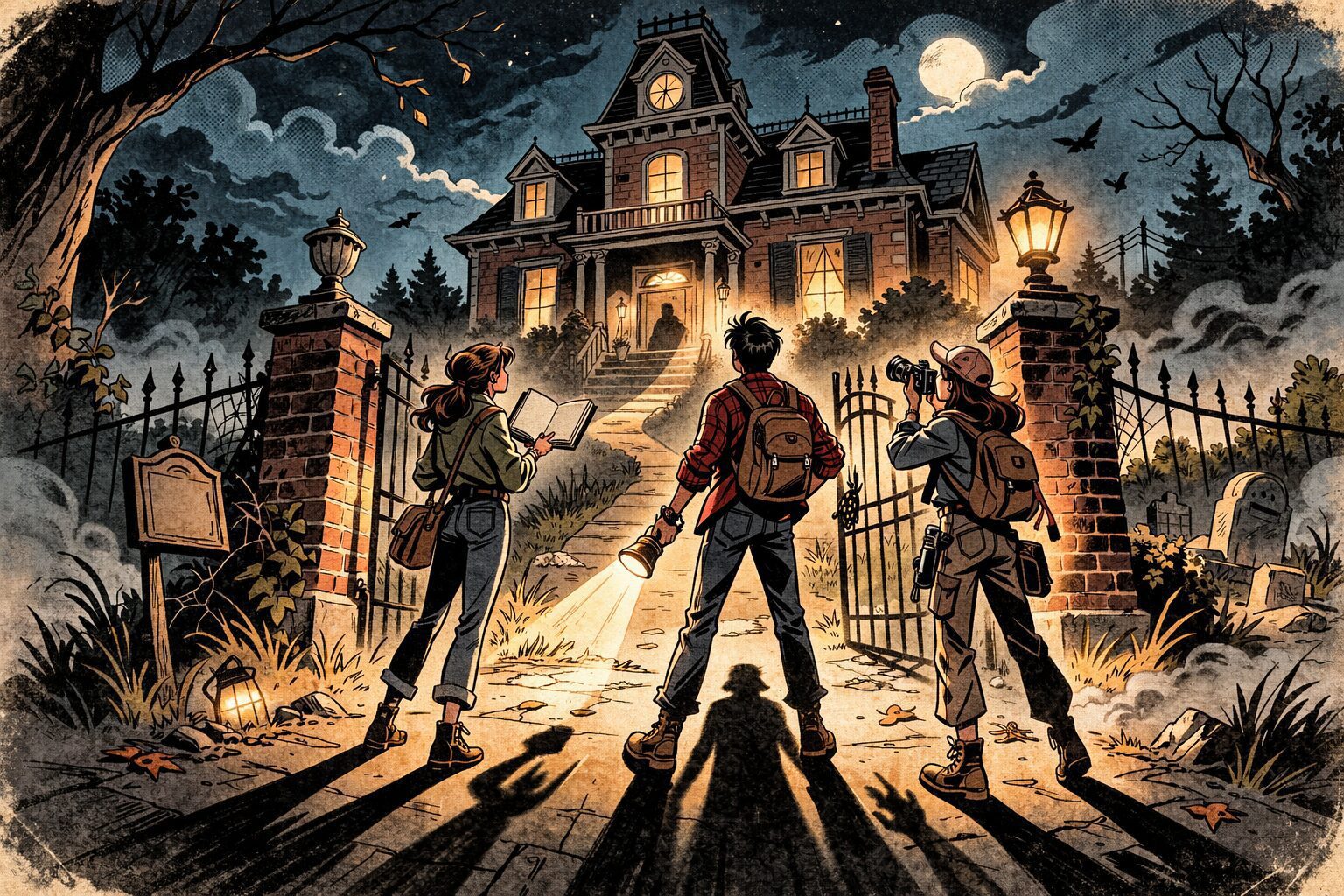
Paranormal Enthusiast vs Ghost Hunter vs Paranormal Investigator

Same haunted hobby. Three different “hats.” One big spooky umbrella. Let’s breakdown the 3 types of haunted hobbyists running around on scary nights, looking for a specter.
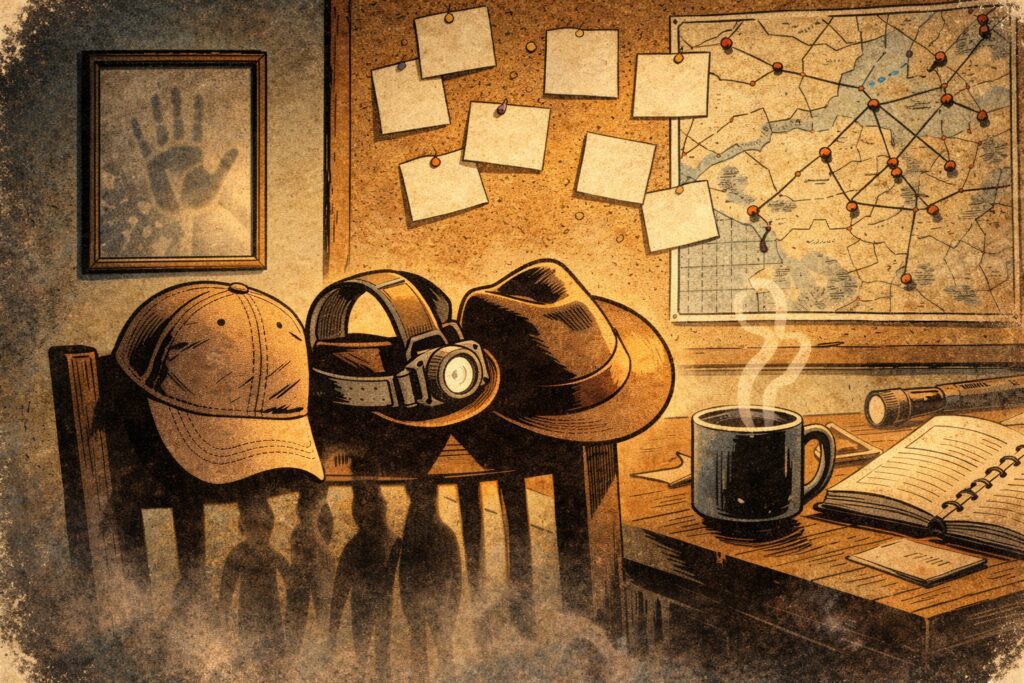
If you hang around the paranormal world long enough, you’ll hear people use these labels like they’re official job titles.
They’re not.
They’re more like personality types. Or better yet, roles on a ghost-hunting team. And most of us rotate through all three depending on the night, the location, and whether the coffee kicked in.
So let’s define them in a way that actually helps. No gatekeeping. No “you’re doing it wrong.” Just a fun breakdown you can use to describe yourself, your friends, or that one guy on a tour who keeps whispering “bro… BRO.”
The quick difference
- Paranormal enthusiast = I love this stuff
- Ghost hunter = I go looking for it
- Paranormal investigator = I try to figure out what it is
Or if you want it in one sentence:
Enthusiasts collect stories, ghost hunters collect anomalies, investigators collect explanations.
The three ghostly hats, side by side
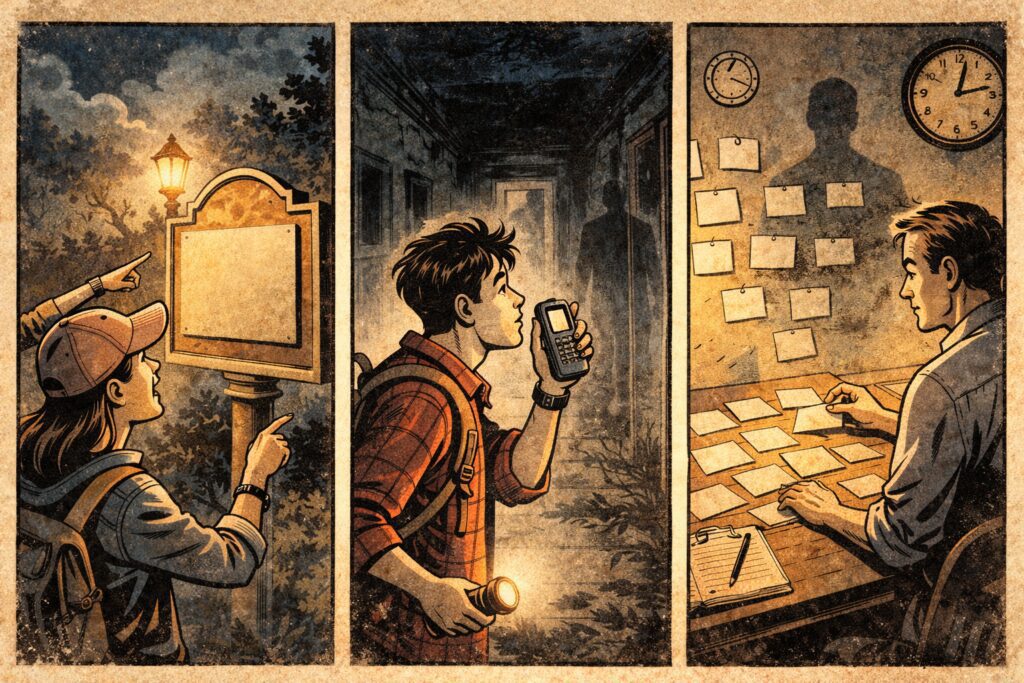
| Role | Main vibe | Main goal | Typical “evidence” |
|---|---|---|---|
| Paranormal enthusiast | Wonder + curiosity | Experience the spooky world | Stories, photos, feelings, folklore |
| Ghost hunter | Adventure + action | Capture something weird on record | EVP, audio, video, EMF spikes, knocks |
| Paranormal investigator | Casework + process | Test claims and document outcomes | Timelines, witness statements, controlled tests |
None of these is “better.” They’re just different priorities.
The Paranormal Enthusiast
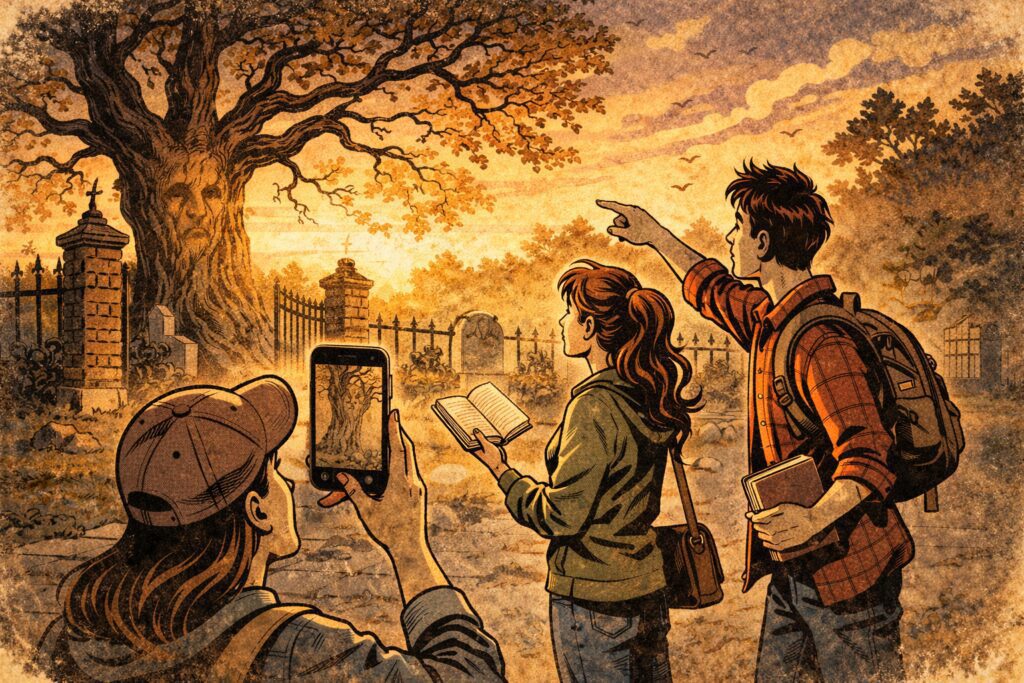
“I’m here for the lore, the chills, and the haunted road trip snacks.”
What enthusiasts do
- Read about hauntings, urban legends, and local history
- Watch investigations, listen to podcasts, swap stories
- Go on tours, visit haunted places, collect experiences
- Take photos, journal feelings, notice patterns
What enthusiasts are best at
- Noticing vibes. Yes, I said it. Vibes matter. Not as proof, but as signal. Enthusiasts often pick up on the emotional texture of a place better than anyone.
- Knowing the lore. They’re the ones who say, “Wait… isn’t this the hallway with the old bell story?”
- Keeping the hobby fun. This matters more than people admit.
Classic enthusiast line
“I don’t need proof. I just love being around haunted places.”
Enthusiast superpower: They keep wonder alive.
Enthusiast weakness: Sometimes they treat every creak like a ghost high-five.
The Ghost Hunter
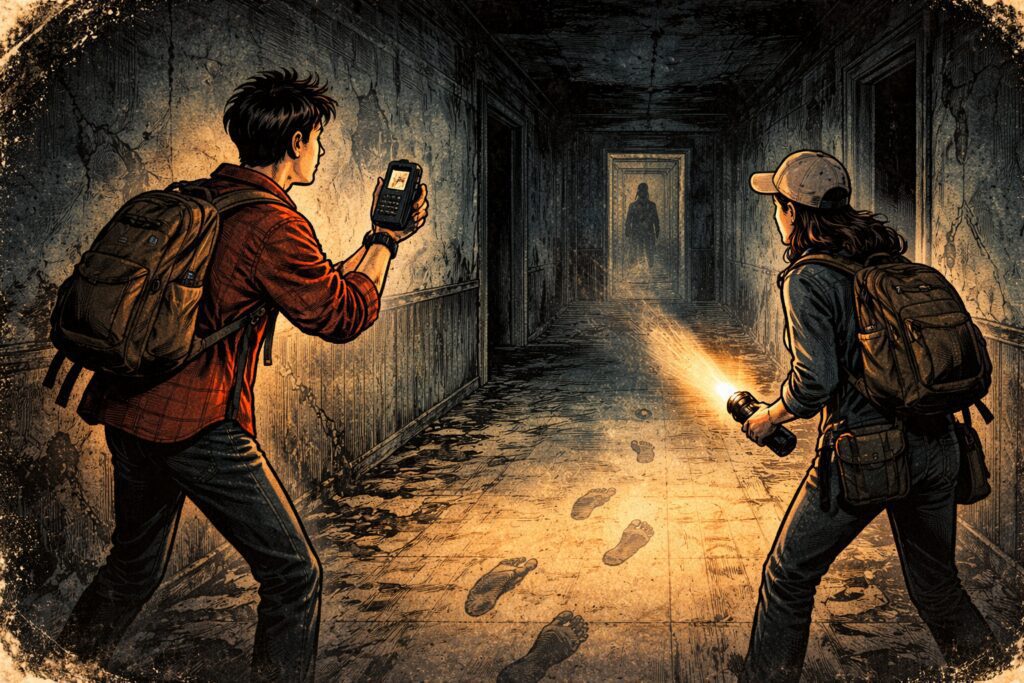
“We’re going tonight. We’re running sessions. We’re trying to catch something.”
Ghost hunters are the action side of the hobby. They don’t just want to hear the story. They want to go stand where the story happened and see if the story pushes back.
What ghost hunters do
- Plan investigations and run sessions (EVP, call-and-response, vigils)
- Bring gear (recorders, cameras, flashlights, EMF meters, etc.)
- Try to document anomalies in real time
- Review footage and audio like it’s a second job
What ghost hunters are best at
- Showing up. Most people love the paranormal in theory. Ghost hunters love it at 1:37 a.m. in a cold hallway.
- Capturing raw moments. A weird knock. A voice-like sound. A shadow that does not behave like it should. Ghost hunters are trying to catch the moment.
- Team rhythm. A good team knows when to be quiet, when to move, when to stop talking over the recorder.
Classic ghost hunter line
“We got something. I don’t know what it is yet, but we got something.”
Ghost hunter superpower: Field experience.
Ghost hunter weakness: Sometimes the hunt becomes the point, and the follow-up gets rushed.
Field Notes tip: If you want to feel more “ghost hunter” immediately, start doing one repeatable session every time, same length, same steps, same questions. Consistency is your best friend.
The Paranormal Investigator
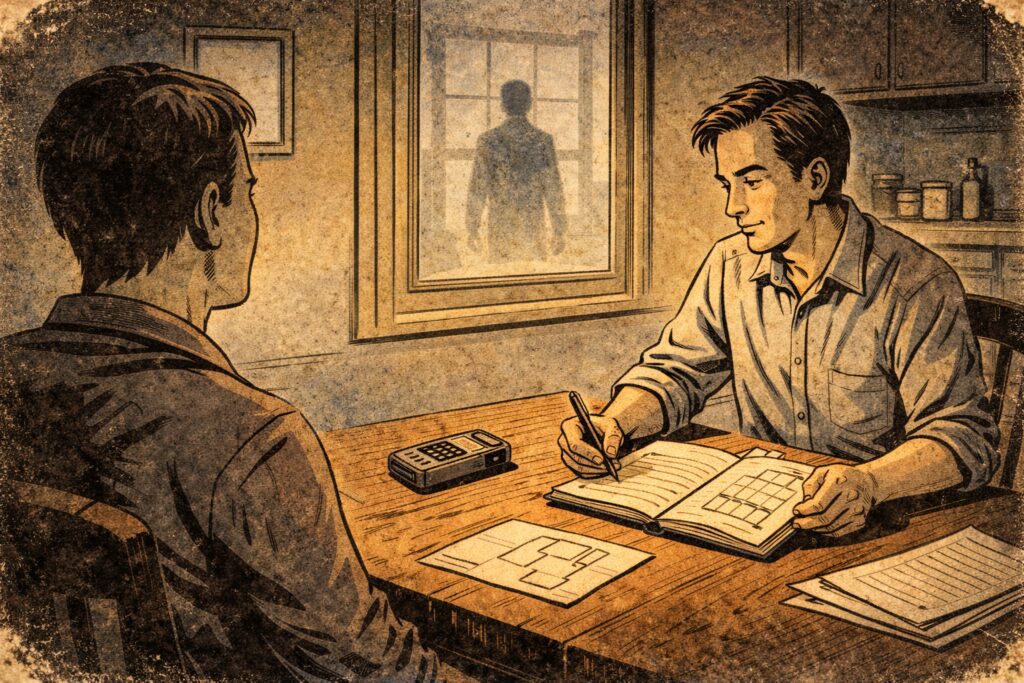
“Okay. Let’s separate the claim from what we can verify.”
Investigators are the case-file people (as in The X-Files type). They might still love the spooky side, but their brain is wired for: Who said what? When did it start? What changed? What can we test?
What investigators do
- Interview witnesses (and compare accounts)
- Build a timeline (dates, times, patterns)
- Check the environment (drafts, wiring, plumbing, animals, traffic, neighbors)
- Try to replicate phenomena under controlled conditions
- Document what’s known, what’s unknown, and what’s likely
- Sometimes conclude: inconclusive
What investigators are best at
- Turning chaos into a case. Claims become testable questions.
- Reducing noise. They rule out the obvious stuff so the truly weird stuff has room to stand out.
- Being honest about uncertainty. “We don’t know” is a real conclusion.
Classic investigator line
“If we can’t replicate it or confirm it, we label it as unverified and keep going.”
Investigator superpower: Credibility and clarity.
Investigator weakness: They can accidentally drain the fun out of a night if they forget why everyone showed up.
Field Notes tip: Investigators don’t “debunk” everything. They triage. They separate normal, unknown, and anomalous so you don’t waste time chasing creaky pipes.
The secret truth: Most people are a blend
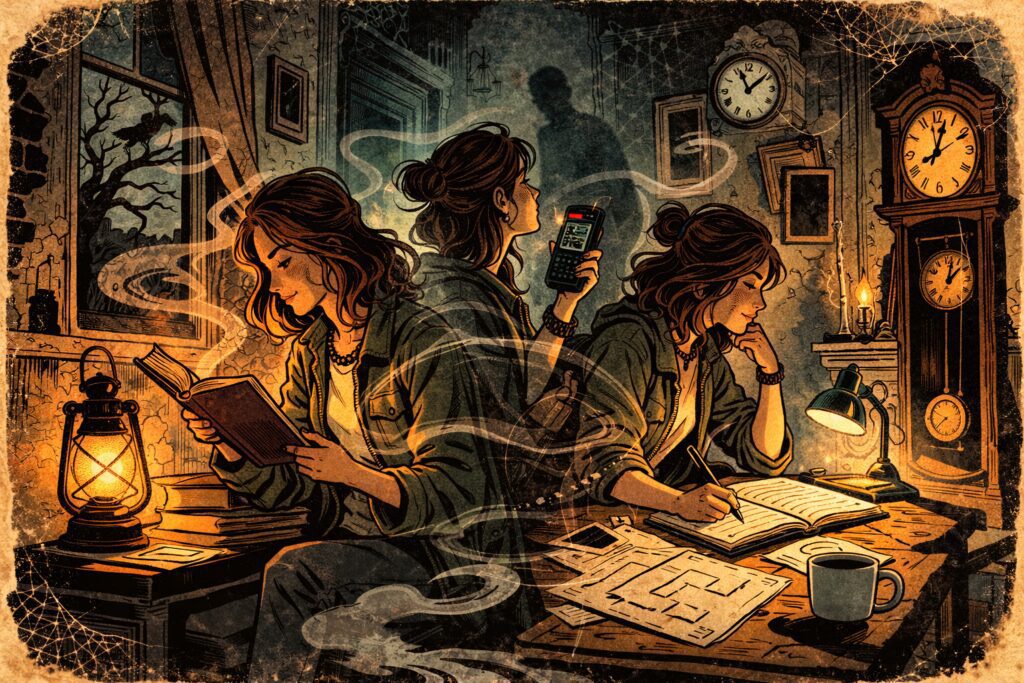
You might be:
- An enthusiast when you’re reading haunted history
- A ghost hunter when you’re on-site
- An investigator when you’re reviewing evidence the next day with a notebook and a strong beverage
That’s normal. In fact, a really solid paranormal team usually has all three roles represented, even if nobody says it out loud.
Ghostly quiz: Which one are you right now?
Pick the option you relate to most:
1) You’re going to a haunted location. You’re most excited about…
A) The story and the atmosphere
B) Running sessions and capturing evidence
C) Testing claims and building a timeline
2) You hear a loud bang in the next room. Your first move is…
A) “Nope.” (but also… kind of yes)
B) Grab the recorder and go
C) Note the time, location, and possible sources
3) After the investigation, you spend the next day…
A) Telling the story to friends
B) Skimming clips for the highlights
C) Reviewing everything and writing a case summary
Results
Mostly A = Enthusiast
Mostly B = Ghost Hunter
Mostly C = Investigator
A healthy mix = Congrats, you’re a functioning paranormal adult.
How to “level up” without changing your style
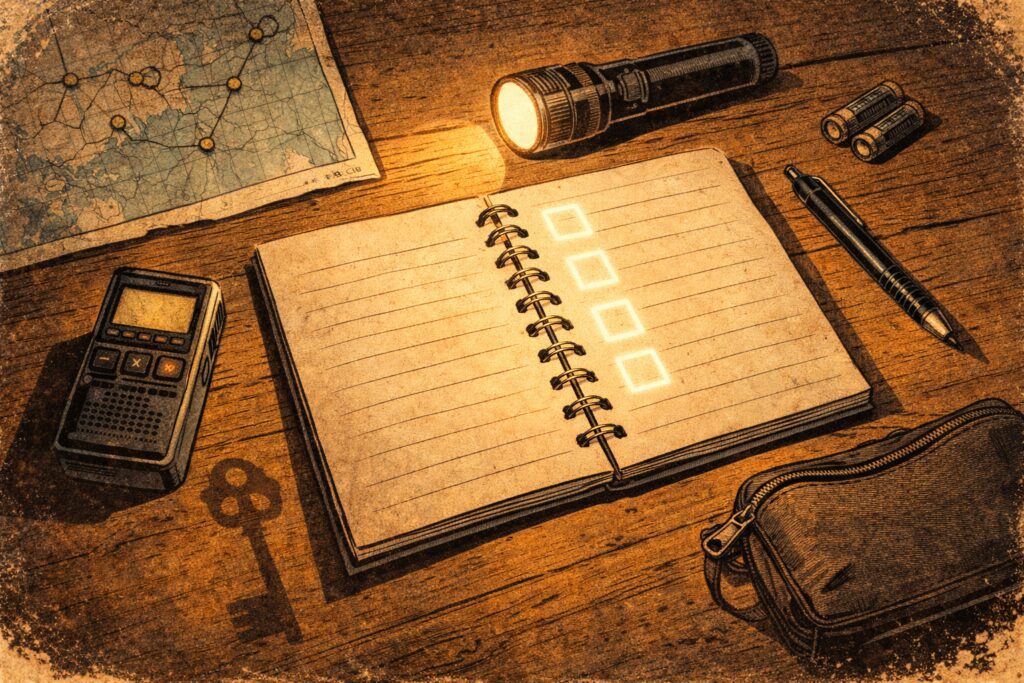
If you’re an enthusiast and want more action:
- Try one simple audio session on every visit
- Keep a tiny notes template: time, place, what happened, what you felt, what else could explain it
If you’re a ghost hunter and want more credibility:
- Add basic controls: baseline EMF, note nearby power sources, do a “quiet minute”
- Start a simple evidence log: clip name, timestamp, why it’s weird
If you’re an investigator and want more fun:
- Schedule “spontaneous experiments” on the night
- Let yourself enjoy the atmosphere before you start measuring everything like you’re auditing the activity
A friendly reminder
These labels should help you explain your approach, not put you in a box. Also, you can switch hats mid-investigation. Most of us do. I know I go from enthusiast to investigator every ghost hunt.
Some nights are pure adventure. Some nights are pure casework. Some nights you drive home with nothing but a good story and a suspicious feeling that might have followed you home.
That’s the spooky hobby. And I love it more and more with every ghostly adventure.
So, are you an enthusiast, ghost hunter or investigator? Let me know in the comments below. Thanks for reading Ghostly Activities. Much appreciated and take care!
Discover more from GHOSTLY ACTIVITIES
Subscribe to get the latest posts sent to your email.



Liked the format