
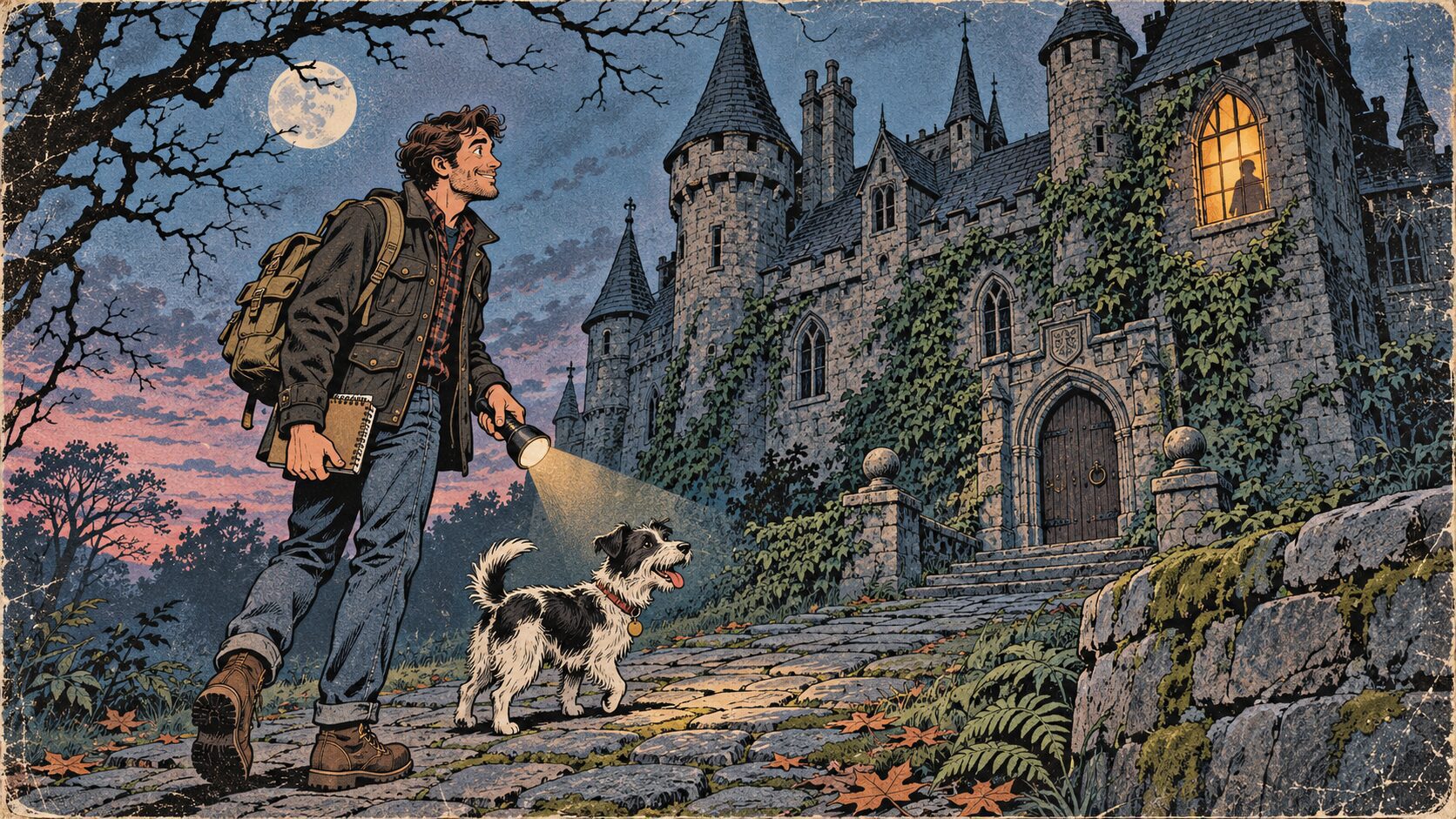
What Is A Supernatural Sleuth? (The 5 W’s And An H Of Haunted Mystery Solving)

Think of the supernatural sleuth as the paranormal cousin of the amateur detective you read about in a classic cozy mystery. In those stories, an everyday person with a sharp eye and a curious mind steps in to solve a puzzle everyone else overlooks.
And when it comes to haunted places, the same golden rule applies: you rarely have to worry about the ghost—it’s the living who are usually far more diabolical.
At Ghostly Activities, I approach hauntings less like a thrill-seeker and more like a detective. Here is the breakdown of the Supernatural Sleuth role: who they are, how they work, and how you can start solving haunted mysteries yourself.
Who Is a Supernatural Sleuth?

A supernatural sleuth is part investigator, part researcher, and part curious storyteller. Instead of chasing bumps in the night just for an adrenaline rush, a sleuth treats every haunting like a cold case waiting to be cracked.
You don’t need a TV crew or a trunk full of blinking electronics to be one. If you love asking why a place is haunted, digging into old local legends, and connecting clues that other people walk right past, you already have the mindset of a supernatural sleuth.
Also, while it’s always fun to go sleuthing with a friend or two (maybe even your pooch), it’s perfectly fine to be a solo detective.
What Does a Supernatural Sleuth Do?

A sleuth looks for the whole story behind a haunting. While traditional ghost hunters focus heavily on capturing ghostly evidence, a supernatural sleuth focuses on identity, history, and motive:
- Fact-checks local folklore: Separates real historical events from campfire exaggerations.
- Investigates the environment: Checks for natural causes like drafts, old plumbing, or acoustic quirks before labeling something paranormal.
- Interviews witnesses: Listens closely to firsthand accounts and looks for patterns across different stories.
- Builds a case file: Documents timelines, floor plans, historical records, and unexplained moments to piece together who might be haunting a place and why.
Why Do Sleuths Do It?
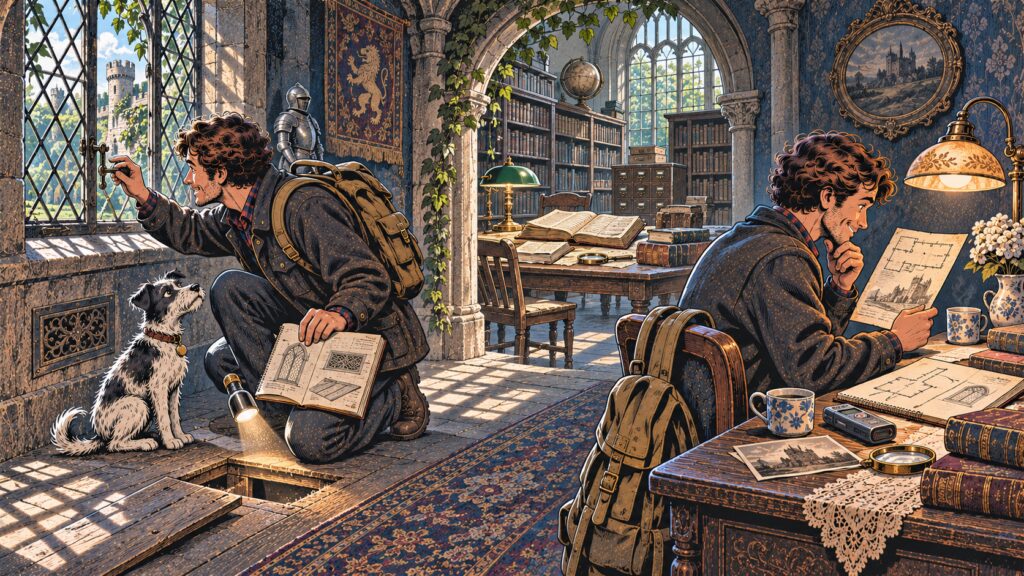
Because a disembodied footstep doesn’t mean much without context. Knowing a room feels cold is one thing. But discovering that the room used to be an uninsulated nursery in 1892, or uncovering the real name of the person connected to it, turns a generic ghost story into a human story.
Sleuths investigate to get past the jump scares and find the truth hidden underneath the legend.
When Do You Go Sleuthing?
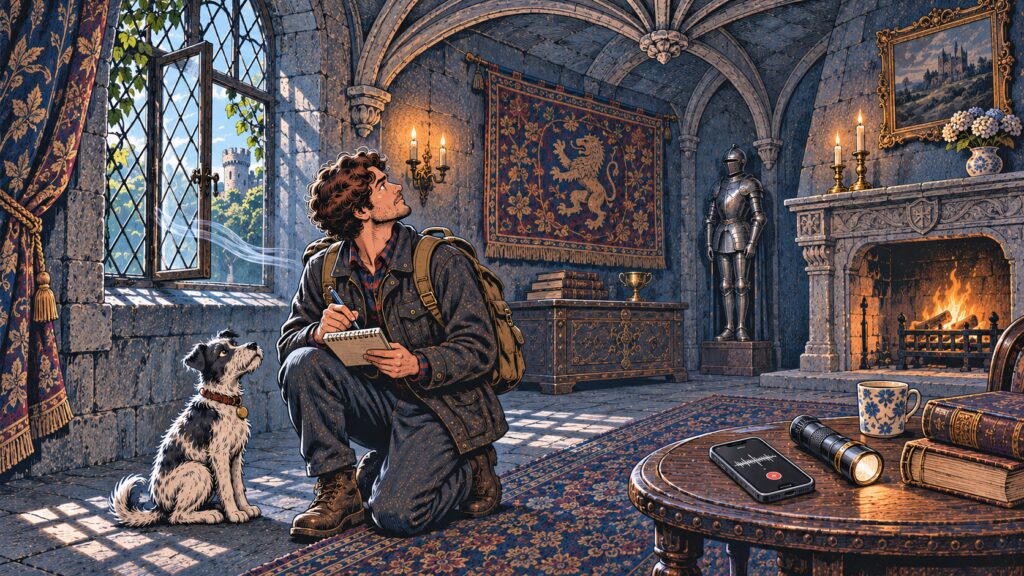
Whenever curiosity strikes! While night investigations have their place, some of a supernatural sleuth’s best work happens in broad daylight:
- Before the trip: Spending an evening reading old newspaper archives, property histories, and town records.
- During the day: Walking a location in full light to spot structural quirks, hidden vents, reflective surfaces, and layout details you’d miss in the dark.
- After the visit: Reviewing notes, cross-checking witness stories, and connecting dots with a clear head.
Where Do Sleuths Go?
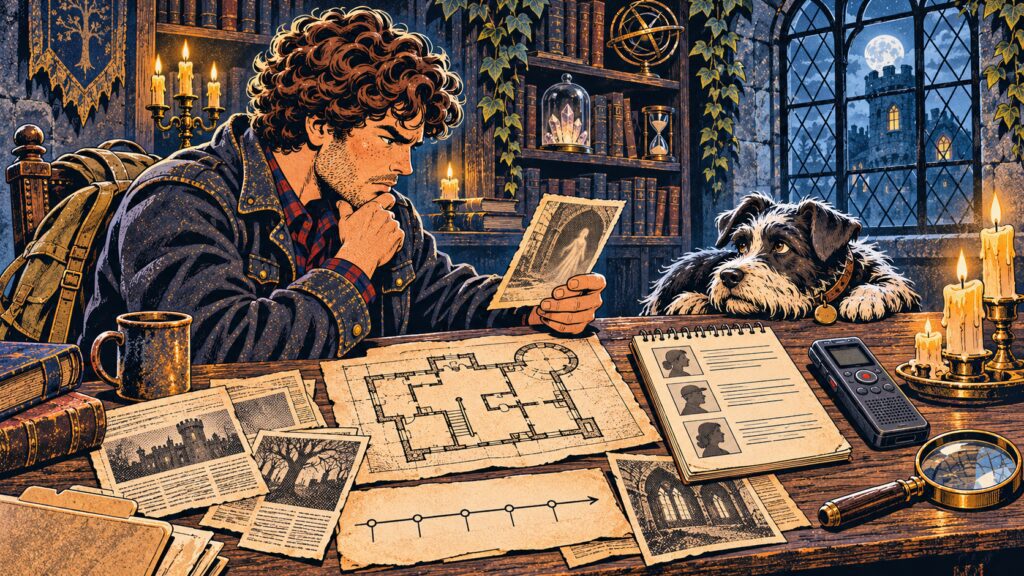
Anywhere a story lingers. That includes classic haunted hotels, historic theaters, and local cemeteries. But it also includes county libraries, historical societies, small-town museums, and dusty archives. For a supernatural sleuth, the town archive is just as important as the haunted basement.
How Do They Solve Haunted Mysteries? (Tools & Training)

Solving a haunted mystery is all about method over gear. You don’t need a massive budget or a suitcase full of expensive gadgets—just a sharp eye, a few reliable basics, and a detective’s toolkit of skills. Remember, a sleuth isn’t out to prove ghosts exist: they want to find the truth behind the legend.
Tools of the Trade
Keep your kit light so your hands and mind stay free:
- Field notebook and pen: Still the single best tool for logging timestamps, sketches, and observations on the fly.
- Smartphone or basic voice recorder: Great for capturing quick audio notes, snapping reference photos, and recording interviews.
- Flashlight: Essential for inspecting dark corners, baseboards, and architectural details.
- Library card and archive access: Your secret weapon for unlocking old newspapers, census records, and property deeds.
How to Get Started: 3 Sleuth Skills to Practice
If you want to start sleuthing on your own, focus on building three core habits:
- Investigative Reporting: Practice asking open-ended questions (“What happened right before you saw it?” instead of “Did you see the ghost?”) and always look for primary sources to back up a local rumor.
- Active Observation: Train yourself to scan a room systematically. Start with the ceiling, walls, windows, and floor. Then start noting drafts, light sources, and ambient sounds before you ever start an investigation.
- Structured Deduction: Write down every possible explanation for a strange event, from the most mundane to the most mysterious, and eliminate them one by one based on the evidence you actually have.
The Supernatural Sleuth’s Code of Ethics

Good detective work relies on trust and respect. Before you start digging into local legends or walking through a historic property, keep these four ground rules in mind:
- Always get permission: Never trespass on private property or sneak into restricted areas. A real sleuth builds relationships with property owners, historians, and caretakers—they don’t break the law for a story.
- Respect the living and the dead: Behind every old newspaper clipping or grave marker is a real person with real descendants. Treat historical sites, cemeteries, and family histories with dignity, and avoid sensationalizing personal tragedies for cheap clicks.
- Never fake or force a clue: Don’t exaggerate witness statements, stage photos, or jump to conclusions just to make a case sound more exciting. An honest “I couldn’t find an explanation” is always better than a made-up ghost story.
- Protect witness privacy: If someone shares a personal experience with you, ask before publishing their name, address, or identifying details. Otherwise, use an alias and general location in your reports.
POLL: What’s Your Ghost Hunting Role?
Do you consider yourself more of a traditional ghost hunter, a folklore researcher, or a supernatural sleuth? Let me know in the comments. Thanks for reading Ghostly Activities. Much appreciated and take care!


