From Experience First to Evidence First: How I’m Changing My Paranormal Research


A witness says something touched their shoulder in an empty room. A few minutes later, a REM pod goes off.
What happened?
That’s the kind of question that keeps me interested in ghost hunting. I want to hear the person’s account. I want to know what the room was like. I want to check the equipment. Then I want to review everything and see what I can actually say.
Lately, I’ve been thinking harder about that last step.
I’ve written before that human experience is the best ghostly evidence we have. I also simplified my investigation kit so my gadgets would support what people reported, instead of taking over the ghost hunt.
I still stand by the reason I made those changes. People experience hauntings. A device doesn’t know what a haunting is. But I need to be more careful with the word evidence, especially when I sit down to write about a case.
Why I Put Experience First

I got tired of watching investigators chase beeps.
An EMF meter spikes, a REM pod lights up, or an SLS camera draws a stick figure. Suddenly, the investigation revolves around whatever the gadget did. Meanwhile, someone in the room may have heard footsteps, felt a touch, or noticed a smell that nobody documented.
I wanted to pay attention to the person again.
A witness account tells me what to investigate. If someone reports hearing footsteps in a hallway, I want to learn what that hallway normally sounds like. If people report a cold spot, I want to find out whether the temperature changes and what might cause it. The reported experience gives the investigation a question.
That’s what I mean by putting experience first. I don’t want to bring a bag of gadgets into a building and wait for one of them to give me a story.
What an Experience Can—and Can’t—Tell Me
Here’s where I’d revise my earlier argument.
If I feel a hand on my shoulder, my account is evidence that I felt something. I should describe it as soon as possible: where I was standing, what I felt, how long it lasted, who was nearby, and what happened next.
But that account doesn’t identify what touched me. It may not even establish that there was an external touch. I could have felt a draft, a muscle twitch, contact with my clothing, or something I haven’t considered.
The same care applies to gadgets. If a meter records a change, that reading is evidence that the meter responded. I still need to know what it measures, what can trigger it, and whether the reading relates to the reported event.
Neither “I felt it” nor “the meter detected it” answers the whole question. Both give me something to investigate.
I’ve also said that firsthand accounts speak for themselves. I’d phrase that differently now. An account tells us what a person reports experiencing. To understand what happened, we need context.
What Evidence First Means to Me
Evidence first doesn’t mean ignoring witnesses or replacing them with equipment. It means following the trail from a claim to the strongest finding I can support.
For a haunting, that might mean collecting the original account, checking when the story first appeared, interviewing other witnesses separately, visiting the location, and reviewing recordings or field notes. Sometimes it means testing a gadget before I trust what it did during an investigation.
I also need to look for things that challenge my first impression. Could someone else have made the sound? Does the building’s ventilation explain the cold air? Was that ghost story attached to this place decades after the supposed event?
I won’t be able to answer every question. That belongs in the report, too.
I’m a paranormal researcher, but I’m not going to call every ghost hunt a scientific experiment. Much of this work involves accounts, historical records, site visits, and imperfect recordings. I can still use careful methods. I can document what I did, explain my reasoning, and let readers see where the evidence runs out.
How This Changes My Writing
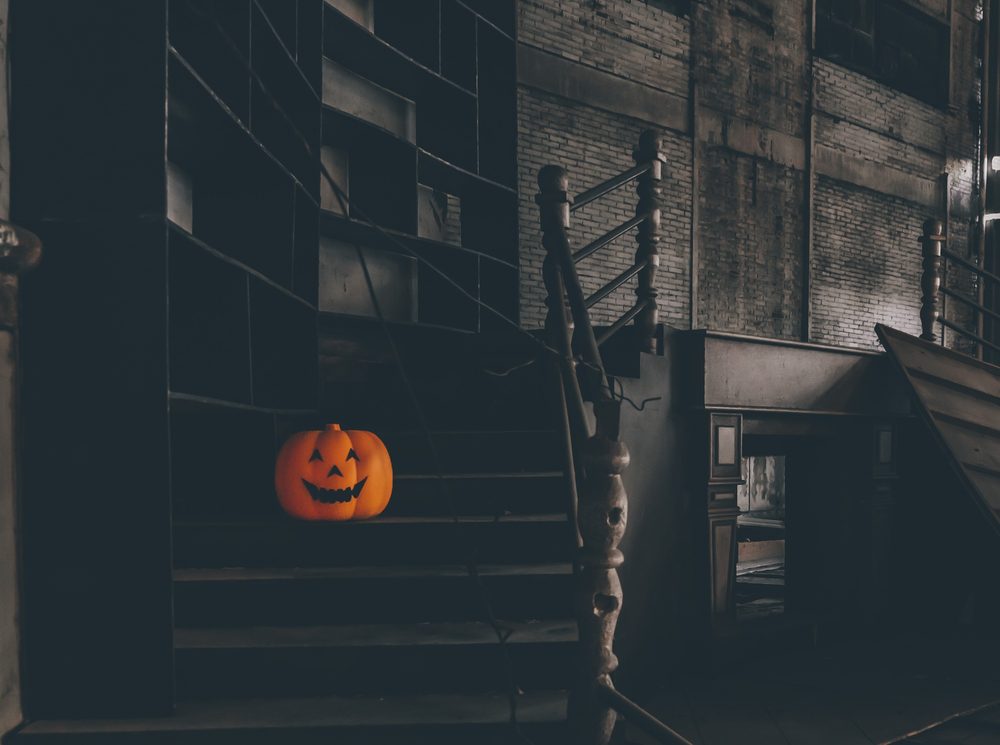
This is probably the biggest change readers will notice.
I want to keep four things distinct in my articles:
- Reported experience: What a witness says happened.
- Documented fact: What I can verify through records or reliable sources.
- Recorded observation: What an audio file, video, photograph, instrument, or field note shows.
- Interpretation: What I think those pieces might mean.
They can all appear in the same story. They just shouldn’t be presented as though they carry the same weight.
Suppose someone hears a voice in an empty room and my recorder captures a faint sound at about the same time. I can report both. I can share the audio, describe where everyone was, and explain what I heard when I reviewed it. If I can’t identify the sound, I’ll say so.
I can’t jump from “we heard a voice” to “a ghost spoke” without evidence that supports that conclusion. The unanswered question is still interesting.
The Gadgets Still Come Along

Yes, I’m still bringing gadgets.
I like testing them. I like figuring out how they work, what triggers them, and whether they help with a particular investigation. I also like audio recorders, cameras, and the occasional device that gives me a reason to spend an afternoon running tests.
The difference is that I want every tool to have a job. What question is it helping me answer? What does it actually measure or record? What could produce the same result without a ghost?
Sometimes the best tool will be a recorder. Sometimes it will be a newspaper archive. Sometimes it will be a careful interview, followed by a visit to hear the ordinary sounds of the place for myself.
Still Looking for Ghosts, Documenting Hauntings
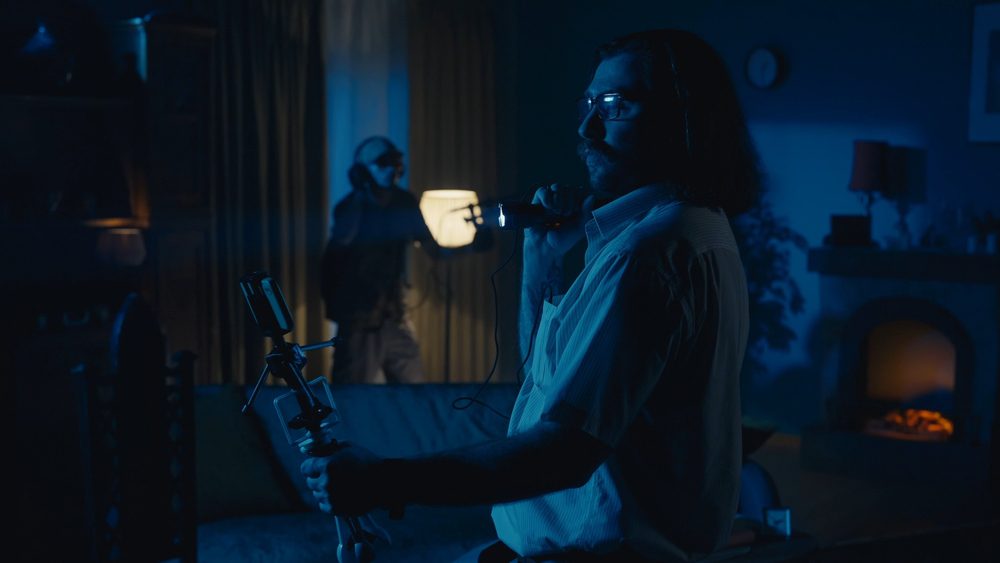
I haven’t stopped enjoying ghost hunting. I still want to walk into haunted places, hear people’s stories, and find out what’s going on. I’ll still get excited when something strange happens.
Experience first helped me remember to pay attention to people. Evidence first helps me make sense of what they—and I—experience.
A witness account can start the investigation. A gadget can help document part of it. The research and review determine what I can responsibly report.
Sometimes I’ll find an ordinary explanation. Sometimes I’ll be left with a good question and no clear answer. Either way, I want to show you how I got there.
How do you research and investigate a witness claim or haunted place? Let me know in the comments below.
Thanks for reading Ghostly Activities. Much appreciated and take care!