
Scarecrows: Protectors Or Dangerous Spirits?

Scarecrows go back to the Viking days. These spirits mean to protect a town or plot of land, but that protective nature can lead to some dangerous situations. Learn why scarecrows haunt places, how to protect yourself, and take the poll after the jump.
Key Takeaways
- Scarecrows originated in Viking days to protect crops from evil spirits but can become dangerous when possessed.
- These spirits can haunt rural areas, with some bound to specific locations and others serving as protectors.
- Protector scarecrows seek to safeguard towns but may cause harm unintentionally; nature spirits can be more dangerous.
- Clearing scarecrow spirits typically involves removing their anchors, which is challenging and often requires fire.
- Binding scarecrow spirits with iron and salting the soil can help contain them safely.
Table of contents
What are scarecrow spirits?
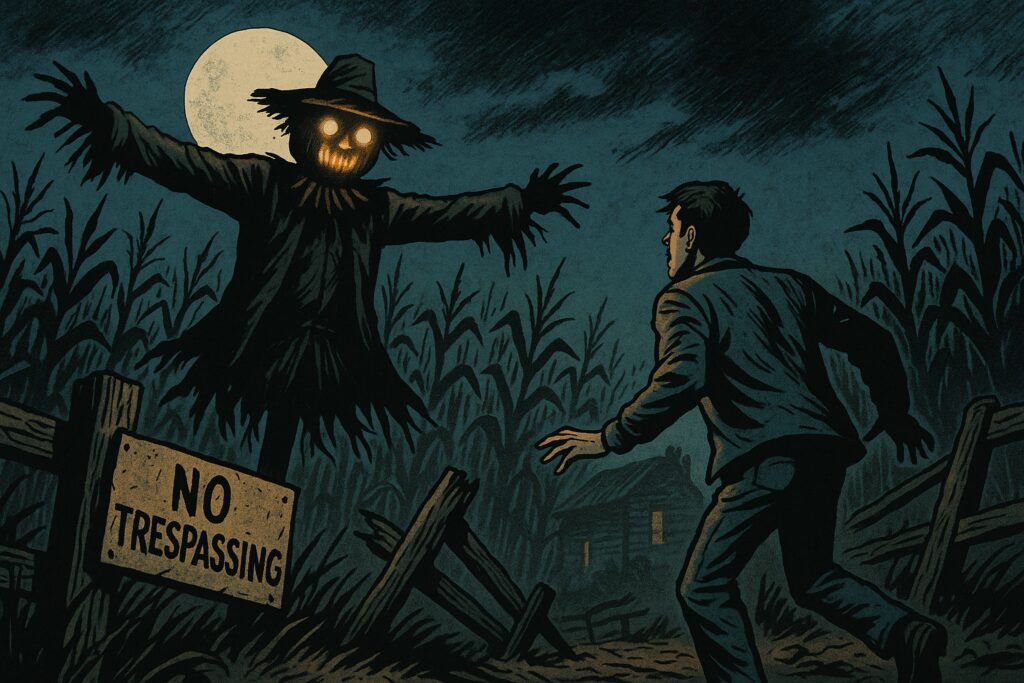
An Eyewitness Report
The fence warned, “No Trespassing,” but I ignored it. I didn’t think anything would happen. Then the air turned cold. Twigs snapped. My flashlight flickered, and a shadow loomed across the corn. I looked up, and the scarecrow was watching me: Its eyes glowing, arms spread wide, silently daring me to take another step.
Scarecrows have a long history as crop guardians. One widely cited thread runs from ancient Egypt (simple frames and nets used to protect harvests) to ancient Greece and Rome, where figures connected to fertility and protection show up in agricultural life.
However, there another Web thread that focuses on the Viking days. Farmers and villagers would put out a scarecrow to keep evil spirits from destroying crops, killing livestock and bringing disease to the town. Really, it’s the Egyptians that kicked off scarecrow lore.
Sometimes, the scarecrow would become too protective because it would get possessed by nature spirits. Usually, these spirits would eliminate any threat to the plants and animals of the village. That means it would kill anything that seemed dangerous including people.
Some of the nature spirits would need human sacrifices before planting crops. Otherwise, the spirits would make sure the crops failed and the village starved. These sacrifice methods led to what we know of scarecrows today. The pagans of the day would take the sacrifice, do a little ceremony to offer the human to the nature spirits, and then cut their throats, and hang them in the fields.
Other scarecrow spirits are linked to a protector from the town or farm. That means it could be a deceased farmer, a sheriff, fireman, mayor – you get the idea. In some cases, the spirit comes from a dog that protected the land.
The 3 scarecrow types I see most in folklore and reports
| Type | What it is | Where it shows up | What it wants | Risk level |
|---|---|---|---|---|
| Field-Bound Guardian | A watcher tied to one plot of land | Cornfields, orchards, gardens | Keep intruders out | Medium |
| Protector Effigy | A “guardian” vibe tied to a community | Rural towns, farms, roads | Prevent harm, stop “bad people” | Low–Medium |
| Nature-Claimed Scarecrow | The land feels like it “owns” it | Woods-edge farms, old groves | Protect territory, punish disrespect | Medium–High |
Important note: I’m not saying these are “proven entities.” This is a folklore taxonomy. A way to organize how the stories (ahem … the scarecrows, I mean) behave.
What places do scarecrows haunt?

An Eyewitness Report
I biked this road a thousand times and laughed at the scarecrow on the corner, just a silly Halloween decoration. But tonight felt different. I pedaled faster, heart beating hard. When I looked back, the scarecrow wasn’t propped up anymore. It was chasing me, head tilted, eyes bright, wearing a smile too wide, too playful, to mean anything good.
Scarecrows stick to rural settings, but that’s about it. Most of them have an anchor that keeps them bound to an area. Now, the area could be anything from a field, farmhouse, small country church, tree or thicket of brush.
Its historic haunting pattern will determine how much range it has. If you never see the scarecrow leave its field, then it’s bound to the soil. That may mean there’s a body in the field. In cases where it haunts an entire town, then it may be a former protector (mentioned earlier).
What do scarecrows want?

An Eyewitness Report
The old barn was supposed to be empty, forgotten. But on nights like this … when the moon is hidden, and the stars refuse to shine … chants echo across the fields. Tonight, peering inside, I saw figures in robes, their voices rising. Straw rustled, a figure stirred, and a scarecrow shuddered awake, sewn symbols glowing ominously on its burlap skin.
In general, protector spirits only want to keep the town and its residents safe from harm. They won’t harm anyone unless the victim is truly evil and wants to hurt people. In some cases, these scarecrows have appeared on country roads and caused people to drive into a ditch. It’s unintentional.
Nature spirits want to keep the land and its plants and animals safe from human harm. These scarecrows are much more difficult to handle because they don’t care if they hurt humans. Ideally, the best thing to do is stay clear of them and their haunting range. If you hear rumors about these guys, then don’t pollute, don’t say negative things about the area, and don’t say nasty things about the locals.
How do you investigate scarecrow spirits?
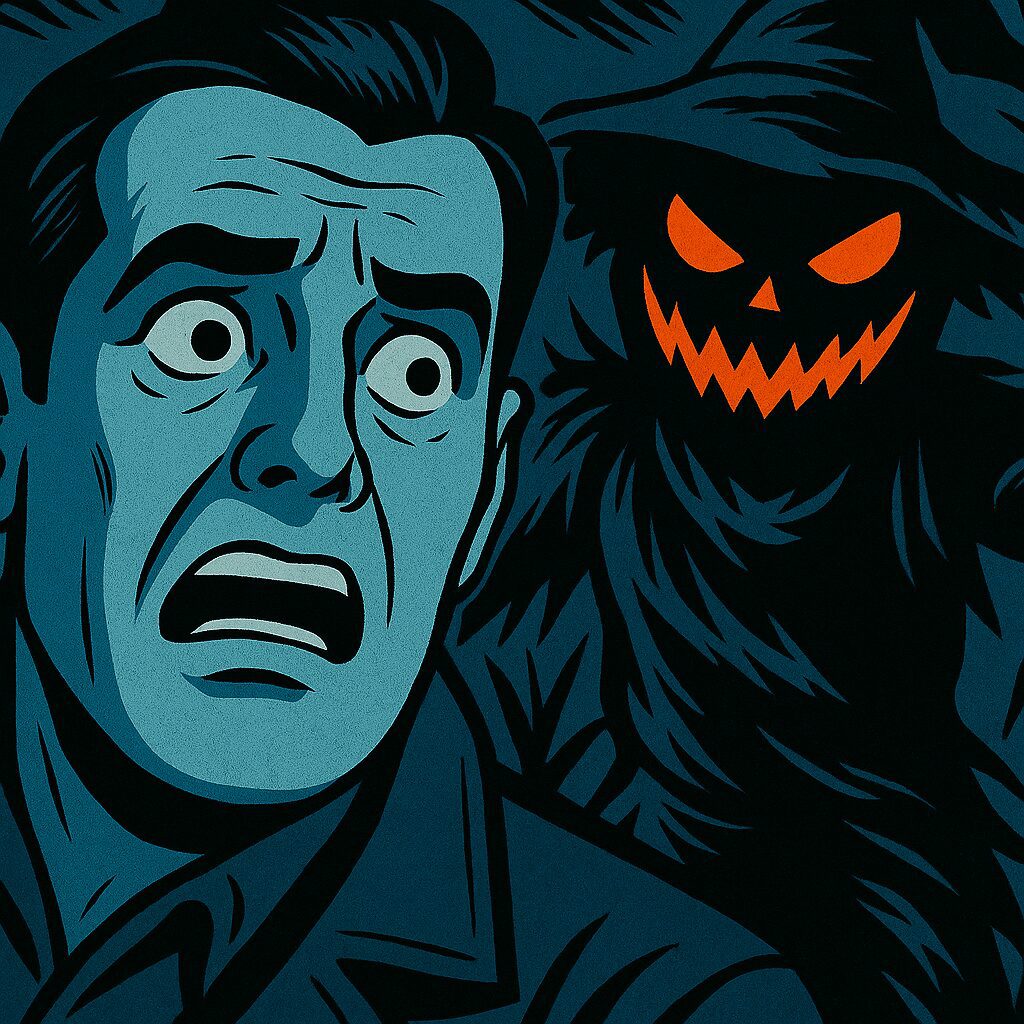
An Eyewitness Report
The harvest moon rose blood-red tonight, staining the fields in eerie shadows. I’d come to document local legends, expecting folklore, nothing more. But the scarecrow I photographed wasn’t on its pole anymore. Its eyes burned like coals, straw limbs twisted into claws, and as it drew closer, I dropped my camera … running … praying … I’d reach the road in time.
Safety first
If you think you’ve got a scarecrow “case,” treat it like a human-risk situation first:
- Do not trespass. Rural property owners take it seriously.
- Assume a person is involved (prank, intimidation, hunting activity, someone living nearby).
- If you feel unsafe, leave. Document from a distance. Then decide what to do next.
Investigation basics
- Photograph the scarecrow from the same angle over multiple days.
- Note weather and wind (clothes shift, posts lean, props fall).
- Look for tracks, dragged marks, footprints, vehicle ruts.
- Talk to locals using neutral questions: “Has anything odd happened out there?” not “Is the scarecrow possessed by the spirit of a Norse god?”
Folk countermeasures
According to folk practice, you’ll see “containment” ideas more than “cleansing,” because the scarecrow is a boundary object. It’s contained to the land it protects. No need to clear it, if it’s not harming anyone.
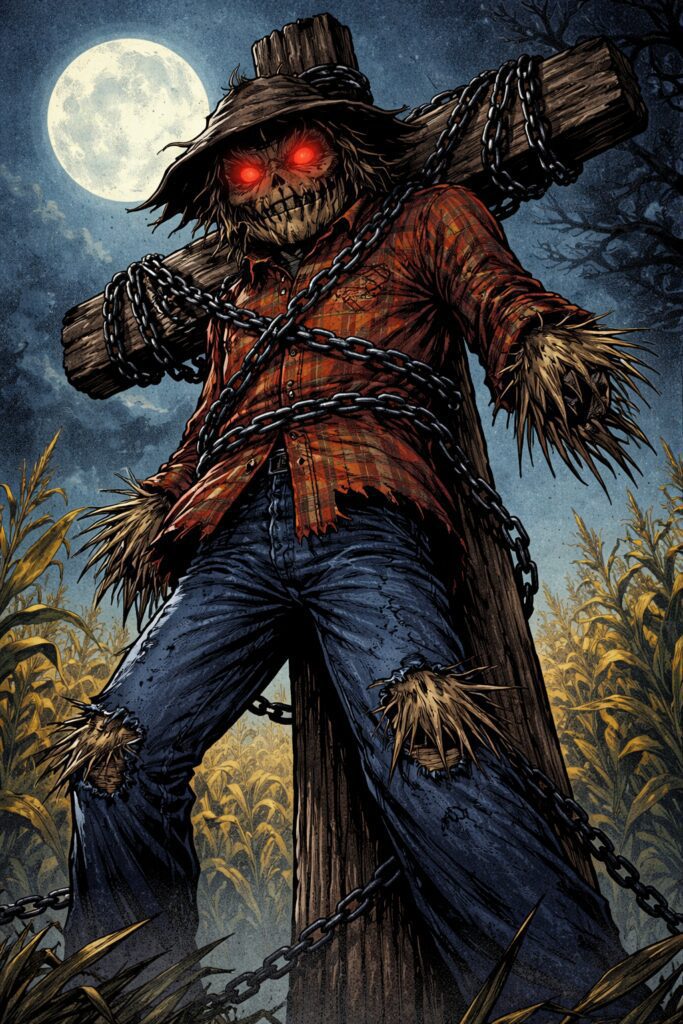
Common methods include iron (for binding) and salt (purification/boundary). In other words, bind the scarecrow to its post with iron chains. Then, pour a salt circle round the post to contain scarecrow within the circle. These show up across a lot of supernatural tradition, including scarecrow-linked stories.
Scarecrow FAQs
Are scarecrows linked to real history or mostly folklore?
Both. Scarecrow-like practices go back thousands of years, and some cultures treated them as more than practical tools. The “haunted scarecrow” idea is largely folklore and modern horror, but it draws from older protective-belief patterns.
Why do scarecrow stories happen in rural areas so often?
Because fields, orchards, and tree lines are classic “edges.” Folklore loves edges. They’re natural boundaries, and boundaries are where guardian stories live.
What’s the most common non-paranormal explanation?
Human activity. Pranks, intimidation, hunting traffic, teens messing around, property disputes, or someone moving the scarecrow for practical reasons.
If someone thinks they saw it move, what should they do?
Treat it like a case: document, don’t trespass, and assume human involvement first. If it feels unsafe, leave.
Scarecrow Spirit Poll
Don’t forget to leave a comment with your scarecrow experience!
Bibilography
Agecroft Hall & Gardens. “History of Scarecrows.” Agecroft Hall & Gardens, 13 Dec. 2020. Agecroft Hall & Gardens
Elliott, Holly, et al. “Scarecrows: Supernatural Sentinels Against COVID-19 in Cambodia.” [Article on PubMed Central]. PubMed Central
Hay, Mark. “How Scarecrows Went from Ancient Magic to Fall Horror Fodder.” Popular Science, 17 Oct. 2025. Popular Science
Król, Karol, et al. “The Scarecrow as an Indicator of Changes in the Cultural Heritage of Rural Poland.” Sustainability, vol. 11, no. 23, 2019. MDPI
“Priapus.” Encyclopaedia Britannica. Encyclopedia Britannica
Ward, C. T. “The Story of Scarecrows.” University of Maryland Extension, Nov. 2023. University of Maryland Extension
Thanks for reading Ghostly Activities. Much appreciated and take care!
Discover more from GHOSTLY ACTIVITIES
Subscribe to get the latest posts sent to your email.



Wow, didnt know how meaningful were scarecrows for them, thanks 4 the info! really love this page! <3