How To Solve A Haunted Mystery Like Scooby Doo And The Gang

Every great ghost story starts with a bump in the night, a local legend, and the house at the end of the block that people warn you about. If you grew up watching Scooby Doo and the gang pile out of the Mystery Machine with a flashlight, a magnifying glass, and a healthy appetite, you already know the best way to approach a haunting isn’t just running around in the dark. It’s treating the whole thing like a puzzle waiting to be solved.
At Ghostly Activities, that’s the heart of being a supernatural sleuth. Instead of chasing cheap thrills or jumping at every creak in the floorboards, you look at the full picture: What’s the history; How’s the environment; Who are the people; and, What are the clues left behind.
Here’s how to break down a haunted mystery just like Scooby-Doo and the gang.
1. Question the “Haunting” Before You Call It Paranormal
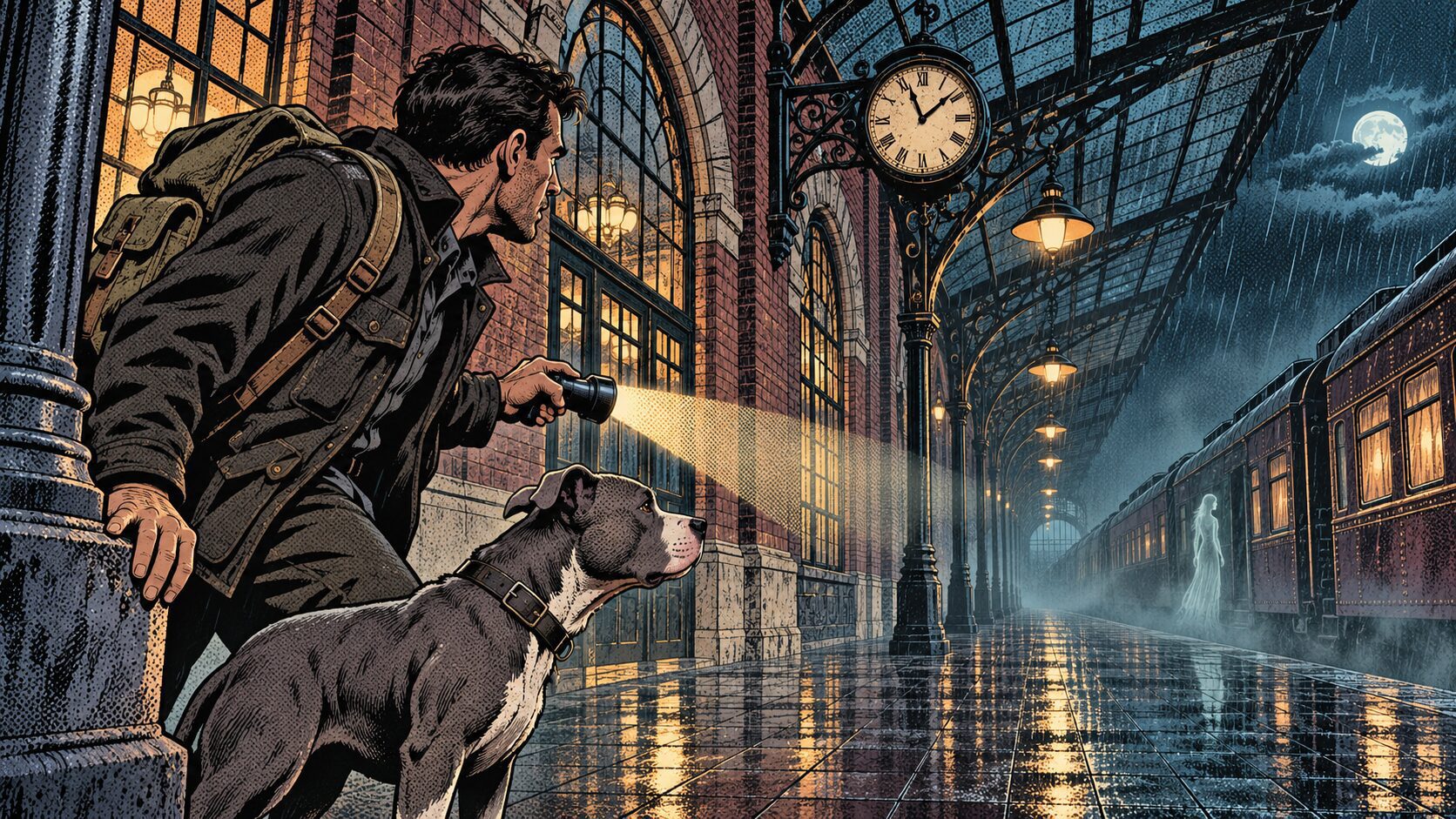
The golden rule of Mystery Inc. is simple: never take a monster (or ghost) at face value. In the classic episodes, every glowing phantom or swamp creature turned out to be a cover story for something very human, which usually means greed, hidden treasure, or a real estate scheme.
When you investigate a haunted location in the real world, start with the exact same mindset. Ask how the strange activity could be happening naturally or mechanically before you jump to a paranormal conclusion:
- Check the environment: Drafty windows, settling foundations, old pipes, and local wildlife account for most “footsteps” and “knocks.”
- Look for human interference: Could lights, sounds, or local rumors be explained by trespassers, pranksters, or someone wanting to keep curious visitors off the property?
- Test the claims: If a spot is famous for cold spots or shadowy figures, check for vents, reflective glass, or odd lighting angles first.
2. Search Beyond Eye Level for Clues

Velma never just stands in the middle of a room waiting for something to happen. She gets down on her hands and knees with a magnifying glass, taps on walls, and checks behind bookcases.
Real-world mystery solving works the same way. If you want the real story behind a haunted place, you have to look where casual visitors don’t:
- Scan the floor and the ceiling: Look for scuff marks, water damage, loose floorboards, or hidden vents that explain drafts and noises.
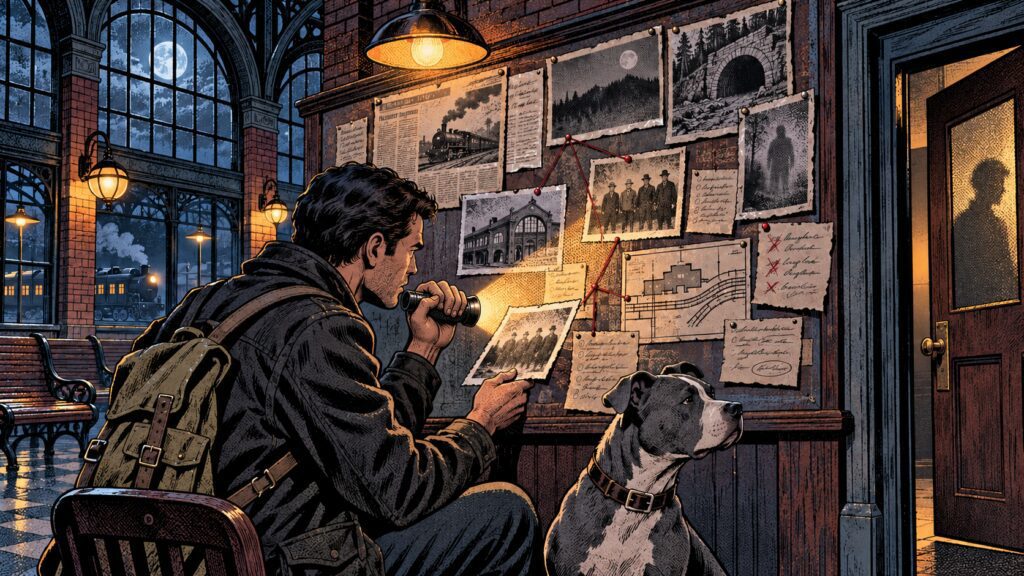
- Dig into the paper trail: Old newspapers, property deeds, town archives, and local histories are the real-life equivalent of finding a secret blueprint rolled up in a desk drawer. Often, a famous ghost legend got exaggerated, or completely invented, decades after the actual event.
- Document your baseline: Take photos, jot down timestamps, and note the weather and surroundings before you start investigating so you have solid field notes to compare against later.
3. Track the Cast of Characters (and Watch for Red Herrings)
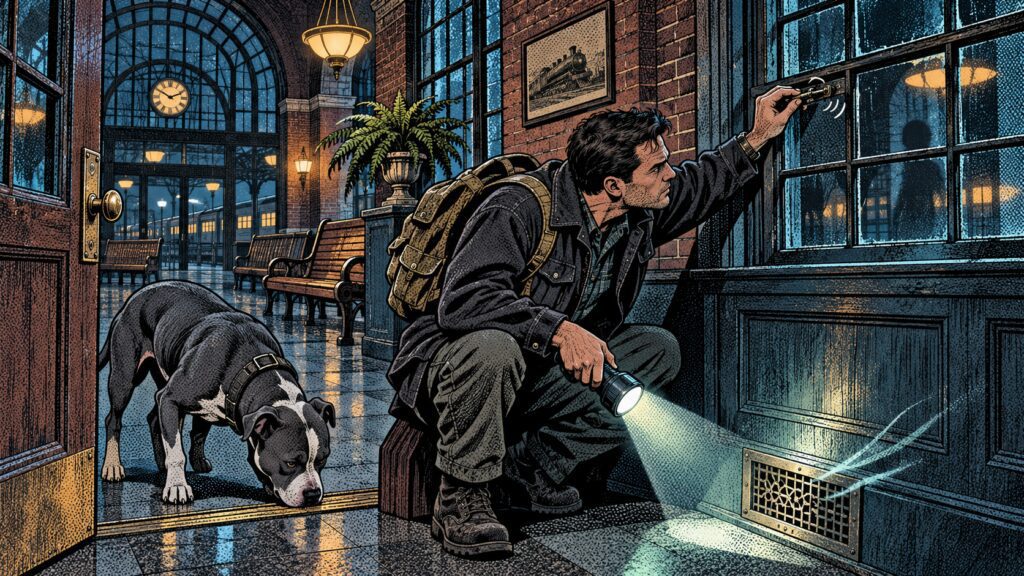
In almost every Scooby-Doo mystery, the culprit is someone the gang meets in the first five minutes. And it’s rarely the grumpy caretaker who tells them to leave right away. That guy is usually the red herring.
When you’re researching a local legend or interviewing witnesses, pay close attention to the people connected to the story:
- Ask who benefits: Does the ghost story keep people away from a private property, or does it bring paying tourists into town? Knowing the motive behind a story tells you a lot about how reliable it is.
- Separate eyewitness accounts from retellings: A firsthand account from someone who was actually there carries very different credibility than a story passed down through three generations of campfire tales.
- Keep an open mind about every suspect: Don’t rule out a natural explanation, or an unexplained detail, just because it doesn’t fit the popular legend.
4. Take a “Scooby Snack” Break When the Trail Goes Cold

Even the best detectives hit dead ends. When Shaggy and Scooby get overwhelmed (or pretrified), they step back, grab a bite to eat, and reset before heading back into the spooky mansion.
When you’re knee-deep in conflicting witness stories, blurry photos, or hours of static-filled audio recordings, stepping away is one of the smartest moves you can make. Take a break, grab a snack, and come back to your notes with fresh eyes. Most breakthroughs happen when you stop forcing a connection and look at your evidence calmly.
5. Show Your Work at the Reveal

The best part of any Scooby-Doo episode isn’t the chase scene: It’s the unmasking, when Fred and Velma walk everyone through every clue, every red herring, and how all the pieces fit together.
Whether you’re writing up a case file, sharing field notes, or swapping stories with friends, don’t just announce your conclusion. Show how you got there. Lay out what you heard, what you checked, what you ruled out, and what still can’t be explained. Even when there isn’t a crooked real estate developer under a rubber mask at the end of the night, walking through the clues step by step is what turns a spooky legend into a real investigation.
Thanks for reading this article on how to Scoobify your next ghost hunt. How do you put the ghostly clues together for your investigations? Let me know in the comments. Much appreciated and take care!