

What The Heck Is A Paranormal Guide And How It Differs From Other Ghost Hunting Roles

If you’ve spent five minutes in the paranormal world, you know we love a dramatic job title. Lead Investigator. Paranormal Researcher. Haunted Historian. Tech Manager. Sensitive. Demonologist. Honestly, half the time it feels like we’re assembling the Avengers just to sit in a drafty basement for four hours and ask a flashlight to blink.
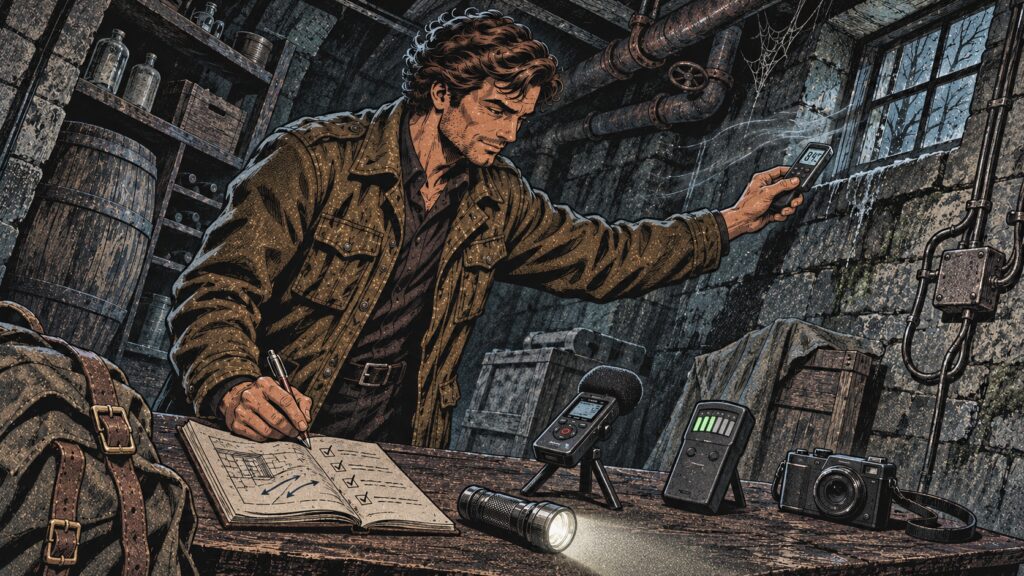
Recently, I started using a term that probably isn’t printed on the back of any team t-shirt, paranormal guide.
Since I just dropped a brand-new label on you without much warning, let’s break down what a paranormal guide actually does, and how it stacks up against the classic roles you see on ghost hunting crews.
So, What Is a Paranormal Guide?

A paranormal guide is basically your field-tested buddy who helps you navigate haunted history, dark folklore, and real-world investigations without getting lost, trespassing, or buying a $400 EMF gadget that only detects its own battery.
Think of me less like a dramatic TV host yelling at shadows, and more like a trail guide for the unexplained. A good trail guide doesn’t hike the mountain for you while you watch from the parking lot. Instead, they hand you a reliable map, point out where the bridge is washed out, tell you what snacks and gear belong in your pack, and share the weird history of the land along the way.
In practice, being your paranormal guide comes down to four things:
- Separating real history from campfire rumors: Digging into actual archives to find the true stories behind a location (because not every Victorian house was an orphanage built on a cursed cemetery).
- Sharing practical travel and site tips: Helping you plan haunted road trips legally, respectfully, and safely with rule number one being don’t break into abandoned buildings.
- Translating ghost hunting gear into plain English: Testing gear in the field so you know what actually works, what’s a total gimmick, and why your brand-new spirit box is really just picking up a local country music station.
- Keeping both feet on the ground: Staying curious about the unexplained while still checking if that “mysterious cold spot” is actually just a broken window seal.
If you’ve been checking out my recent posts on haunted case studies, that’s being a paranormal guide.
How It Compares to Classic Ghost Hunting Roles

Traditional paranormal teams split up the chores so an investigation runs smoothly. As a paranormal guide, I borrow a little bit from all of them, and the main difference is that I’m doing it to prep you for your own adventures, not just to hoard data in a secret case file.
| Role | What They Actually Do | Typical Night on the Job | The End Goal |
|---|---|---|---|
| Paranormal Guide | Translates history, gear, and fieldwork into useful advice for others | Testing recorders, mapping haunted road trips, digging up folklore, writing field notes | Giving you the map so you can explore smartly and safely |
| Paranormal Investigator | Runs on-site experiments and tracks activity in real time | Walking around in the dark, asking polite questions to empty rooms, logging noises | Documenting claims and trying to capture (or debunk) evidence |
| Paranormal Researcher | Lives in the archives before or after an investigation | Reading 100-year-old newspapers, census records, and property deeds | Verifying if the local ghost story actually matches real history |
| Tech Manager | Keeps the electronics alive and untangled | Wrangling miles of DVR cables, swapping dead batteries, reviewing hours of static | Making sure the gear works and ruling out technical glitches |
Paranormal Guide vs. Paranormal Investigator
A paranormal investigator is focused on the investigation itself like going into a location, running EVP sessions, and trying to catch something unexplained on tape. A paranormal guide zooms out. I still go into the field, take notes, and test theories, but my main job is turning those experiences into lessons, tips, and stories you can actually use before you ever pack a bag.
Paranormal Guide vs. Paranormal Researcher
A paranormal researcher is happiest buried under dusty microfiche and property deeds, proving whether a location’s tragic backstory happened in 1894 or was invented by a clever innkeeper in 1994. A paranormal guide does that exact same homework, and then pairs it with on-the-ground travel advice and local folklore so the history feels alive when you visit.
Paranormal Guide vs. Tech Manager
A tech manager is the unsung hero keeping a crew’s hardware from imploding. So, they’re calibrating sensors, babysitting camera rigs, and figuring out why a fully charged battery suddenly dropped to zero. A paranormal guide nerds out over gear too, just with a different mission: cutting through the flashy marketing so beginners and solo explorers don’t blow their budget on blinking lights they don’t need. Believe me, I have bought plenty of useless gadgets that promise insta-ghosts.
Why I’m Running With This Title
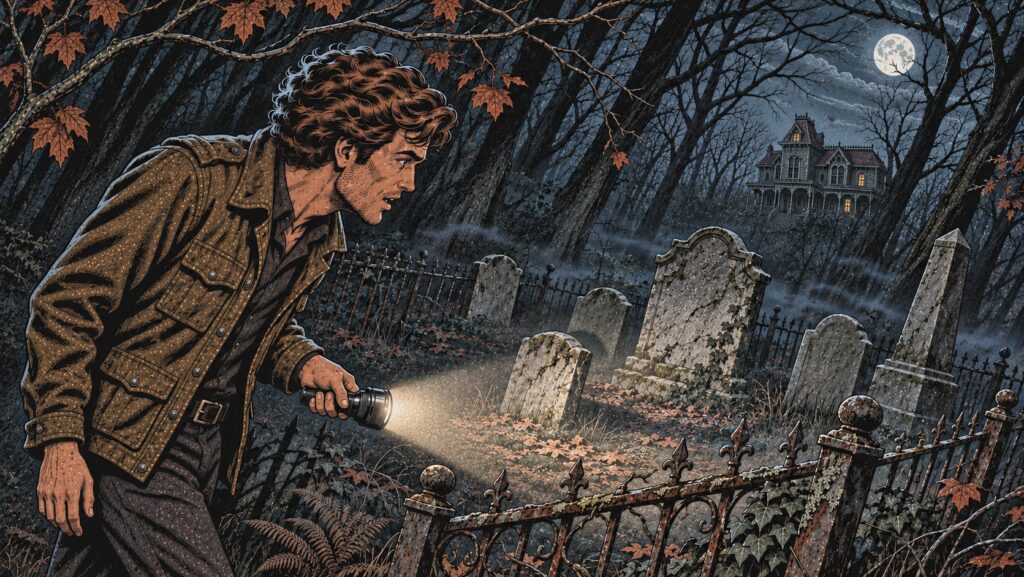
Let’s be honest: the paranormal world can take itself way too seriously sometimes. Between the gatekeeping, the dramatic jargon, and the over-the-top theatrics, it’s easy to forget that exploring weird history and spooky mysteries is supposed to be fun and grounded in reality.
Calling myself a paranormal guide (alongside supernatural sleuth … I’m still solving spooky mysteries) is my promise to keep things transparent, practical, and down-to-earth. Whether you’re planning your first haunted weekend trip, shopping for a reliable voice recorder, or just reading up on dark folklore from the comfort of your couch, I’m here to hand you the field guide.
And let you decide what you believe.
Thanks for reading this post on being a paranormal guide. Let me know if you have any questions or feedback in the comments below. Much appreciated and take care!


