The History of “Spooky Season”

The phrase, “spooky season,” affectionately refers to the month of October with the climax on Halloween (and a few days after to celebrate The Day of the Dead). But when and where did this phrase come from? Find out after the jump.
Spooky Season Origins
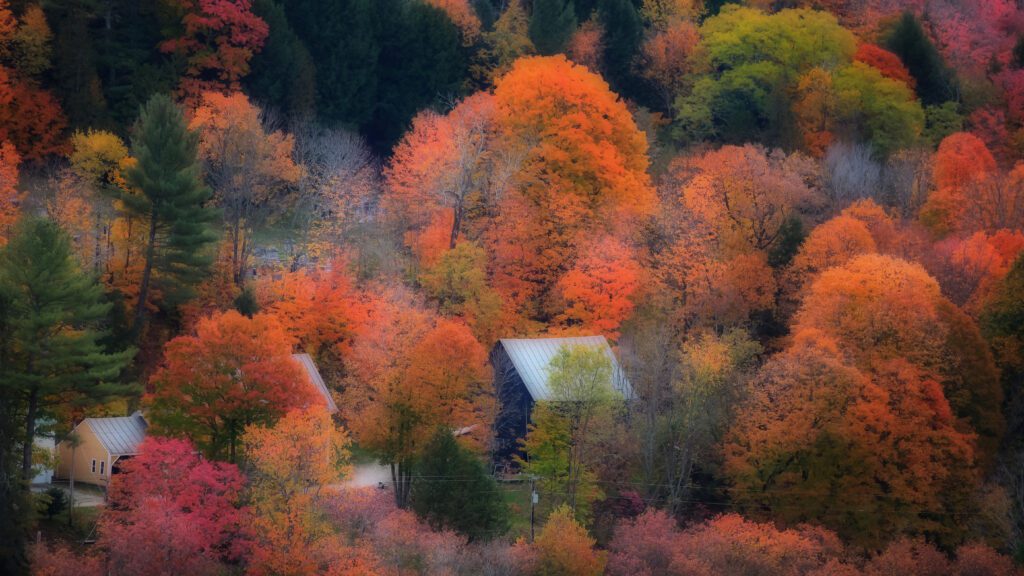
“The spooky season of the year is now at hand, when ‘the mystic moon is chill, and the spooks and phantoms wander out to do their magic will.” – Franklin Reporter, Oct. 23, 1913
That quote comes from a Franklin Grove, Illinois newspaper in 1913, and “spooky season” directly referred to Halloween. My have times changed …
Let’s get into some origins before we proceed:
The word spooky in English originally meant ghostly, eerie, or spectral. It comes from “spook,” a word referring to ghosts or apparitions. The Oxford English Dictionary traces “spook” back to Dutch (spook) and German (spuk), and it was in English by the early 1800s.
As for the season bit, well, that is a more recent addition. The “season” part of “spooky season” is obviously literal: a time period, often a stretch of months or weeks. Combining that with “spooky” to describe a season tied to Halloween.
There’s a lot of variation in the season duration. Ghostly Activities took a poll to determine when the season starts. Most folks think it could be the fall equinox (~Sept. 23rd) or October 1st, and then it runs through the Day of the Dead (November 2nd). I like the fall equinox start date myself.
Over to the chronology …
Spooky Season Timeline
Early 1800s
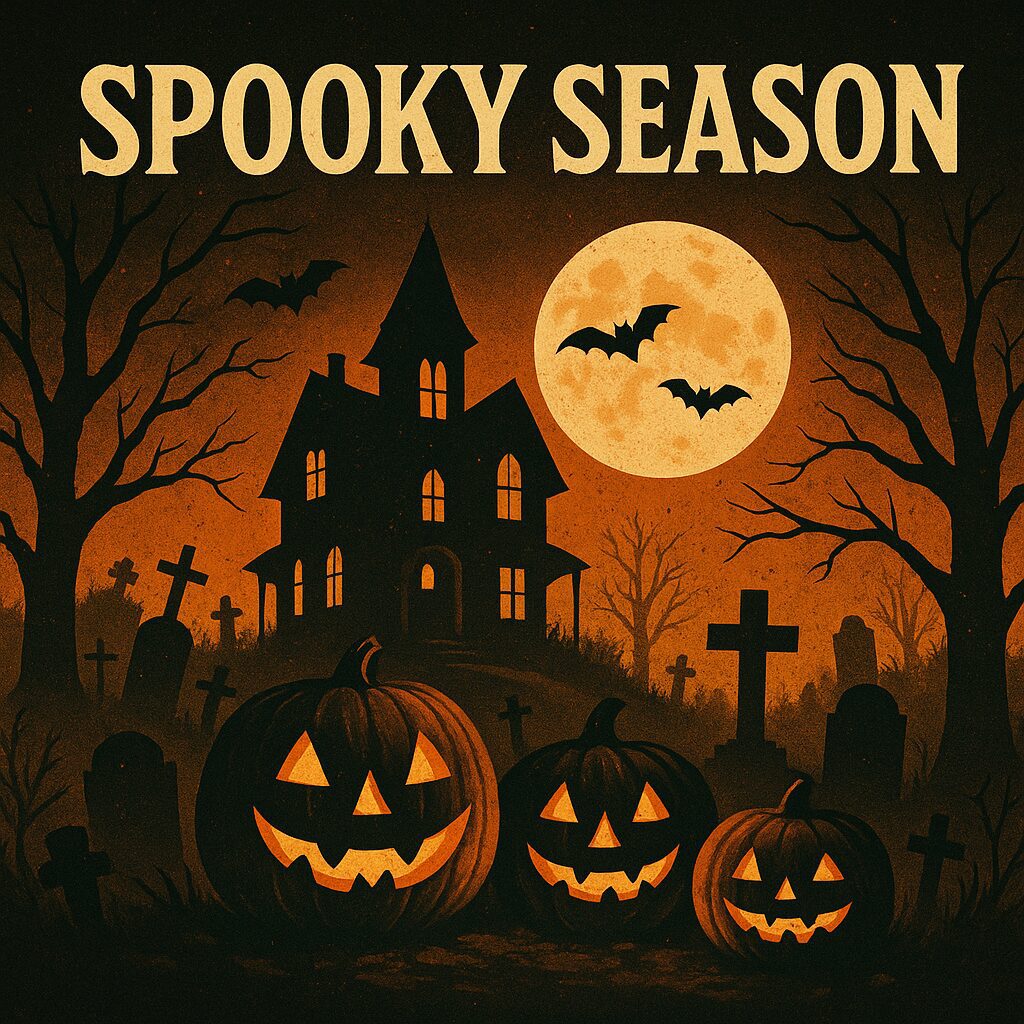
Spooky For Ghosts Emerges
“Spook” and “spooky” enter the English language from Dutch and German roots. This is the first time the phrases have directly related to ghosts and apparitions.
September 1905
“Spooky Season” used in England
The English begin to use the phrase to describe uncanny autumn events, but it doesn’t refer to Halloween just yet
November 1, 1905
Newspapers begin to use it for Halloween
In Whittier, California, “spooky season” used to directly reference Halloween
1913
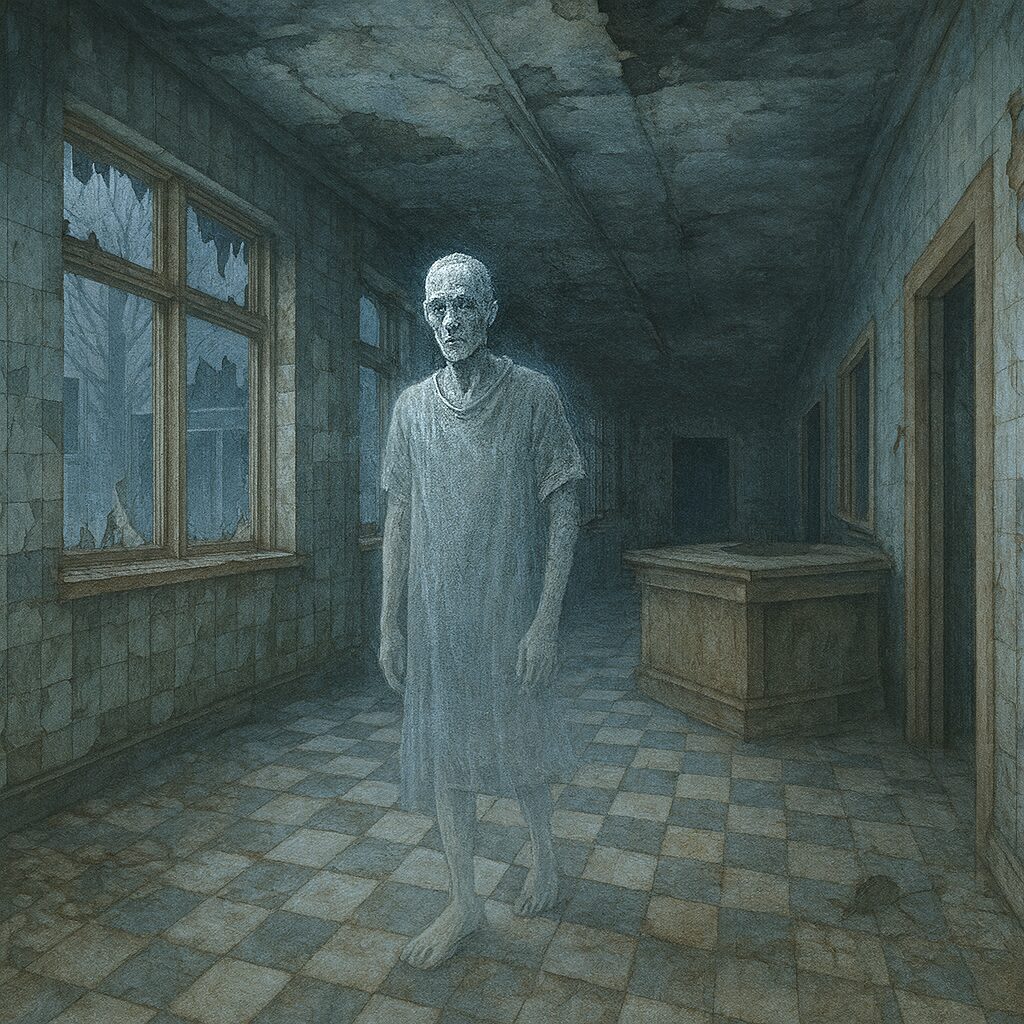
Refers to October with Halloween highlighted
Many US newspapers and books begin to use “spooky season” to refer the entire month of October
Mid-Twentieth Century
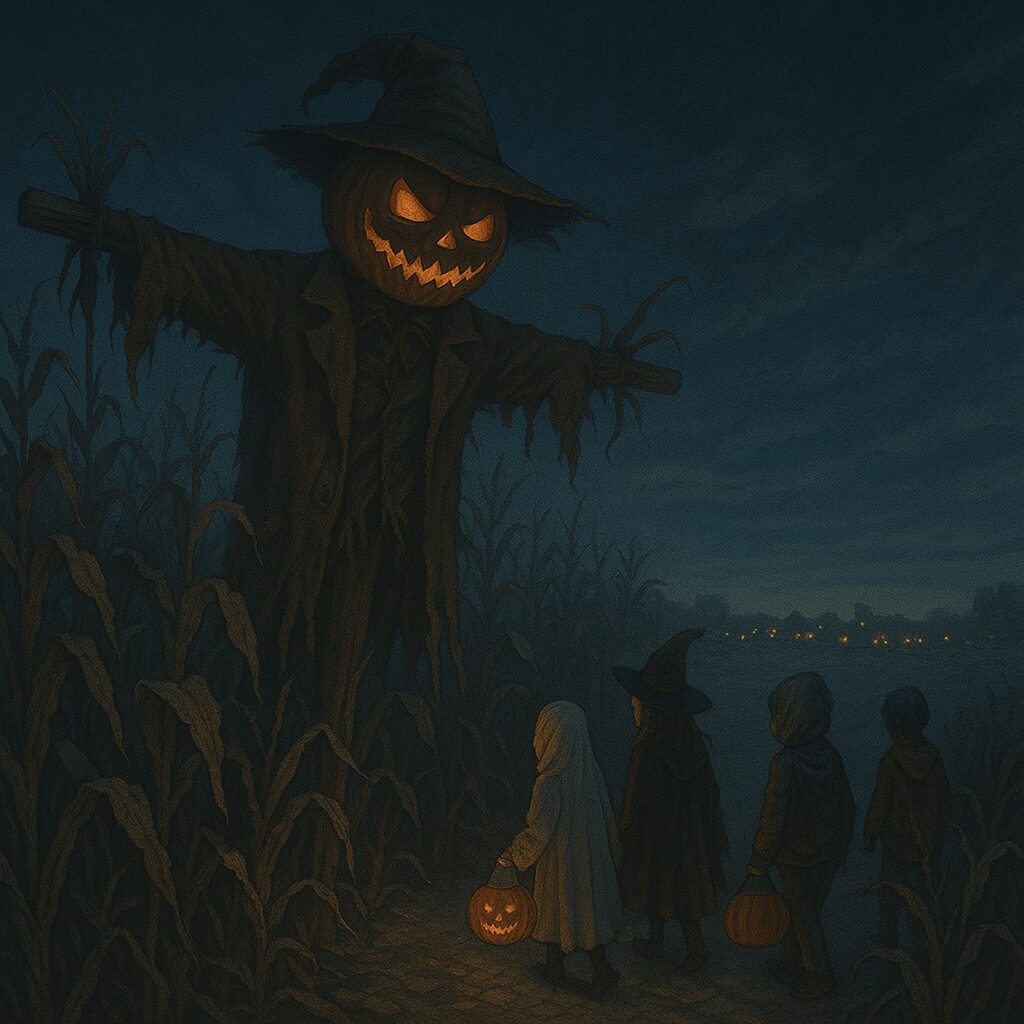
Sporadic Usage in Midwest
“Spooky season” sporadically used every 10-15 years, mainly in the Midwest
Late 1990s
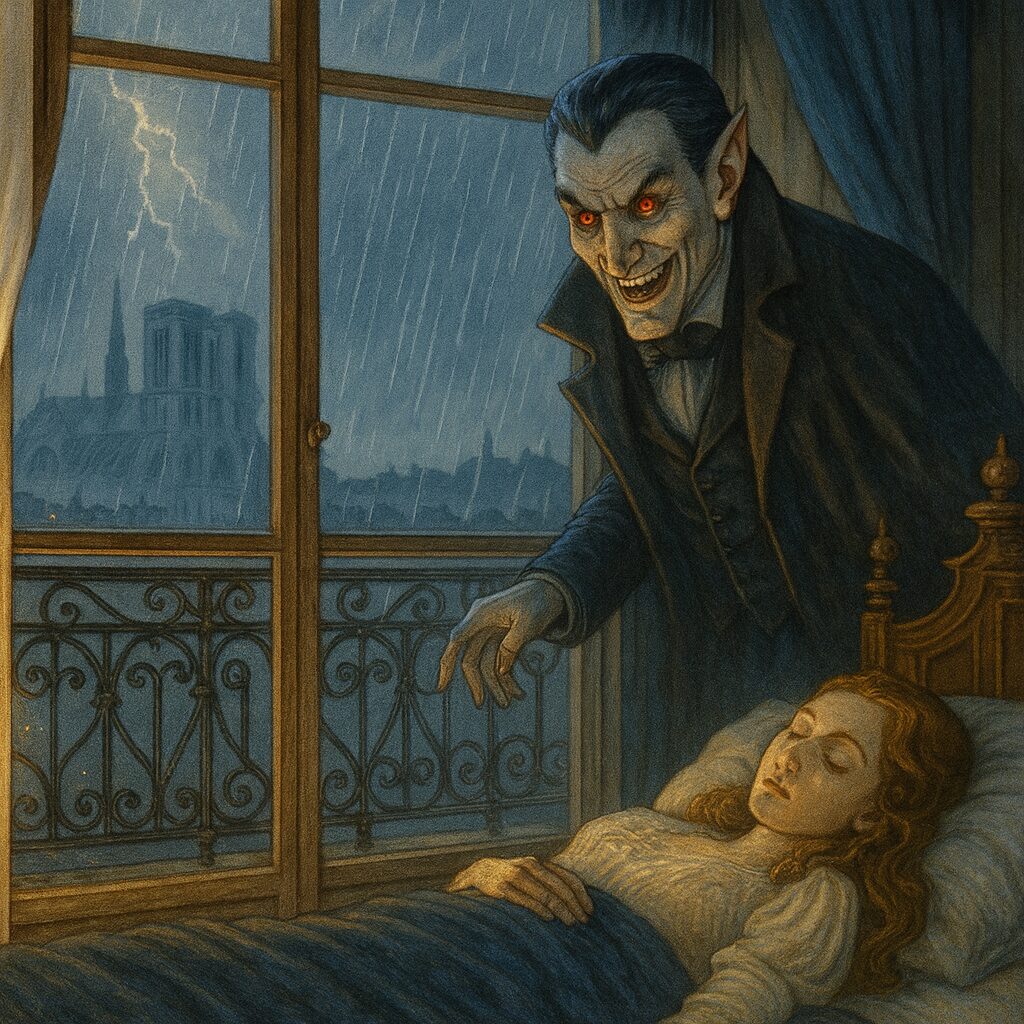
“Spooky Season” Returns
The phrase starts to become common place online, books, magazines and marketing
2000 – present
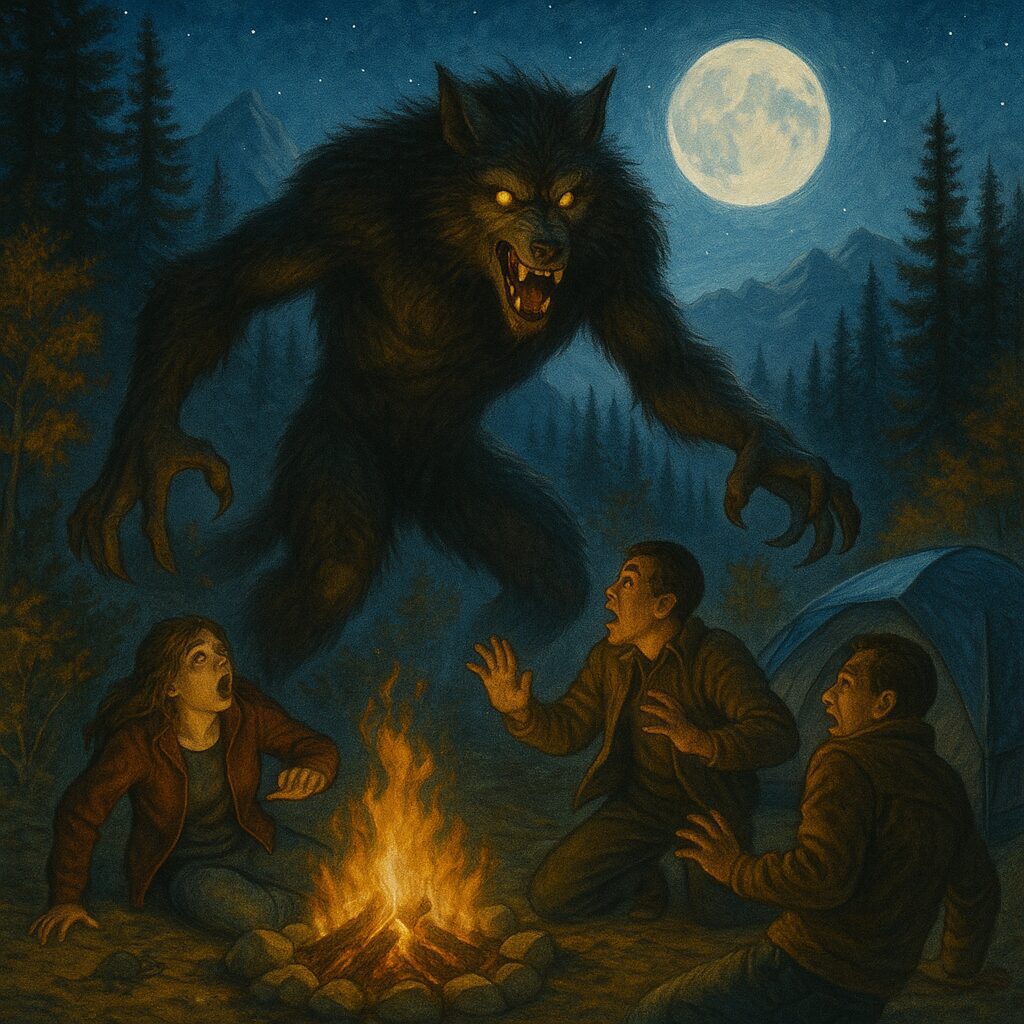
“Spooky Season” Becomes Common
Nowadays, “spooky season” is commonly used across the US and Canada. It’s taken on a cozy characteristic as Halloween becomes the second most popular holiday
Spooky Season Hits America Earlier Than Thought
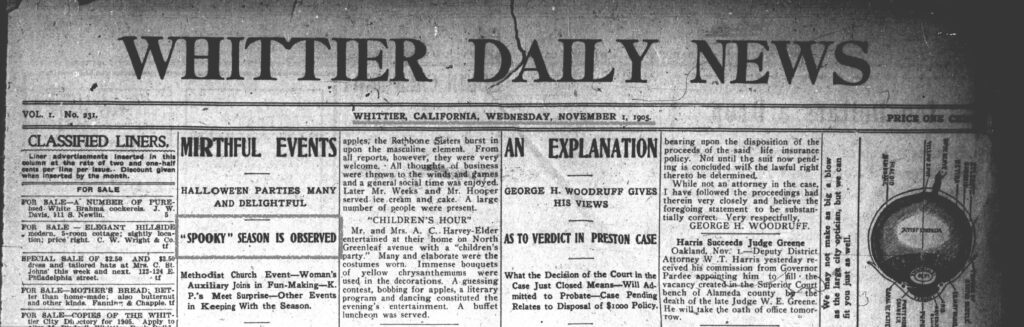
Hold on a second … There’s a reference to “spooky season” in California?! In 1905?!
Actually, I found quite a few published from Pennsylvania to California and a bunch of states in between during the early 1900s, using Newspapers.com. So, maybe “spooky season” was vernacular way earlier than I thought …
After those early appearances, Grammarphobia notes that the term reappeared roughly every 10–15 years, until more frequent use began in the late 20th century.
The use of “spooky season” really ramps up toward the late 1990s, and then heavily in the 2000s and 2010s. Google Ngram data supports this: few occurrences earlier, then increasing steadily in books and print.
Part of the boost is social media and Internet culture making seasonal phrases more shareable, meme-able, and marketable. “Spooky season” works well for branding, decorations, party themes, etc. It becomes a kind of catch-all for all things Halloween, fall, eerie vibes.
Also, lists of “seasons” (pumpkin-spice season, cozy season, decorative gourd season, etc.) in popular articles often group “spooky season” among them.
Side note: I mean, I really get sick of pumpkin spice lattés kicking things off in August … jeez … the pumpkins aren’t even ready to pick.
Which is unfortunate: We’ve shifted from a purely eerie, scary, uncanny and frightening connotation to … cute.
As a result, I’ll add some more scary to my spooky this season.
Sources
“‘Spooky Season’—Grammarphobia.” Grammarphobia, 18 Oct. 2021,
https://www.grammarphobia.com/blog/2021/10/spooky-season.html. Accessed 5 Oct. 2025.
“What Is Spooky Season?” Spooky Little Halloween,
https://www.spookylittlehalloween.com/blog/what-is-spooky-season. Accessed 5 Oct. 2025.
“When Did ‘Spooky Season’ Become a Name for Halloween Time?” Reddit: r/etymology, 15 Oct. 2020,
https://www.reddit.com/r/etymology/comments/jadep7/when_did_spooky_season_become_a_name_for. Accessed 5 Oct. 2025.
“The ‘Spooky’ Season.” Light: A Journal of Psychical, Occult, and Mystical Research, vol. 25, no. 1286, 16 Sept. 1905, p. 445. HathiTrust Digital Library,
https://catalog.hathitrust.org/Record/000533434. Accessed 5 Oct. 2025.
“The Spooky Season of the Year.” Franklin Reporter (Franklin Grove, Illinois), 23 Oct. 1913. Quoted in Grammarphobia, 2021.
“No Effort Was Spared in Making the Spirit of the ‘Spooky’ Season Truly Manifest.” Galena Daily Gazette (Galena, Illinois), 29 Oct. 1915. Illinois Digital Newspaper Collections,
https://idnc.library.illinois.edu. Accessed 5 Oct. 2025.
“Spooky Season—Wordorigins.org Discussion Forum.” Wordorigins.org, 22 Oct. 2020,
https://wordorigins.org. Accessed 5 Oct. 2025.
“Google Books Ngram Viewer.” Google Labs,
https://books.google.com/ngrams. Accessed 5 Oct. 2025.
“Bramble and Maggie: Spooky Season.” Candlewick Press, 2014. Google Books,
https://books.google.com. Accessed 5 Oct. 2025.
What’s your take on spooky season? Let me know in the comments.
Thanks for reading Ghostly Activities. Much appreciated and take care!
Discover more from GHOSTLY ACTIVITIES
Subscribe to get the latest posts sent to your email.